Showing posts with label lesen. Show all posts

Monday, July 11, 2016

Blogs -- auf Deutsch!

Mit besten Dank, FluentU!
There’s a whole load of blogs out there. In fact, nowadays it’s probably quite hard to find someone who doesn’t have their own blog. With everyone writing about their hobbies and interests, blogs cover pretty much every subject there is. So no complaining that you can’t find one to suit your tastes!
Another bonus to this wealth of subject matter is that if you need to study a certain theme or topic for a German class you’re taking, you can easily find a German blog to quickly to dip into and take note of the necessary vocab.
Most blogs have sections for readers’ comments below each article. Wanna stretch your writing muscles? Get commenting! For practice in giving an opinion in German, which is often what’s asked of you in writing exams, the comments section is the place to be.

10 Attention-grabbing Blogs in German That’ll Keep You Reading 

1. Mit Vergnügen (My Pleasure)

blogs in german
Mit Vergnügen is a blog all about the latest goings-on in Berlin. If there’s a cool gallery opening or underground party coming up, the guys at Mit Vergnügen will know about it. Every day, they post about one fun thing happening—and this is actually where the name comes from: Mit Vergnügen is the German way of saying, “My pleasure” after being invited somewhere. The posts aren’t too long, so they’re great for a quick read every now and then. As the writers are all young, this blog will also give you a great insight into informal German and slang.

2. We Travel the World

blogs in german
We Travel The World is a fantastic German-language travel blog. The website is split up into country and area sections. Pick the one that interests you most, and discover local food and culture! You’ll also find helpful posts about planning a trip—budget, what to pack, checklists, etc. One fantastic aspect of this blog is that despite its international scope, it also has posts about Germany—so you can travel the country without even leaving your sofa! If you are planning on jetting off on vacation, you can brush up on that all-important travel vocab before setting out.

3. Fashion Insider

blogs in german
Here’s one for all you fashionistas out there. Fashion Insider is a fantastic fashion blog full of loads of ideas on what latest trends should be in your closet. If you ever find yourself in Germany after reading this blog, you’ll know all the right vocab to help you get your shop on. It’s a great blog to pick up on everyday words. There’s also a section on home wear, which should help to widen your vocabulary even more.

4. ScienceBlogs

blogs in german
If you want to practice a bit of advanced German, head on over to ScienceBlogs. The name is a little deceptive—even though the bulk of the articles are about the science world, there’s also quite a few political and cultural blog posts to delve into. The writing is slightly more formal than the rest of the blogs on this list, but there’s nothing too tricky in there—just think of it as great practice!

5. Karrierebibel (Career Bible)
blogs in german
Karrierebibel is a blog all about the professional world. Whether you want tips on how to ace an interview or how to organize yourself more efficiently, this blog will load you up with all the useful tips and tricks for the workplace you can imagine. So why read this in German? Well, besides the reasons we’ve already covered, it will help you to better your business German. Like ScienceBlogs, it’s also written a little more formally and is great for getting to grips with some professional German.

6. Für Sie (For You)

blogs in german
Für Sie is a blog by the German magazine of the same name. It’s packed full of yummy recipes and definitely a blog that all foodies should add to their bookmarks. One interesting learning feature of all the recipes is that they are written in the imperative—the tense that is used for commands and instructions.
Like so:
Öl in einer Pfanne erhitzen. (Heat the oil in a pan.)

7. Schokohimmel (Chocolate Heaven)
blogs in german
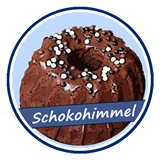
Here’s another food blog, but this time it’s one for all of you with a sweet tooth! This blog is aimed at bakers and has a wide selection of traditional German, Austrian and Swiss cakes, biscuits and pastries. As with Für Sie, this one will boost your knowledge of the imperative. When Schokohimmel‘s blogger, Judith Weitzel, goes on her travels around Germany, she often writes about them. So along with tasty treats, this blog is jam-packed with a native’s view of her own country!

8. Deutschwortschatz (German Lexicon)

blogs in german
Deutschwortschatz is a blog all about words. Some of the quirky posts include poetry, origins of words and lists of words that belong to a theme (just like this one of unusual illness names). Obviously, this blog is a great place to go to build up your German vocabulary. And if you learn the history and origins of words, you never know, it just might help them to stick in your mind.

9. Literatur Blog (Literature Blog)
blogs in german
Another blog that focuses on words, Literatur Blogprefers those words to be working together to make up a good book. This blog is a collection of book reviews and short biographies of featured authors. Have you run out of ideas for choosing your next German book? Well, look no further—there’s a lot of solid recommendations to be found on Literatur Blog.

10. Testspiel (Tryout)

blogs in german
I couldn’t very well write a list of blogs and not mention a single music blog, could I? Music blogs are, after all, ubiquitous in every country’s blogosphere. Testspiel is one of the most popular in German-speaking countries. You’ll find a ton of music reviews on the website, helping you to keep up-to-date with who’s hot in the German charts. Even if you’re not a massive music fan, it’s still worth checking out this blog—they also post TV and film reviews as well as articles on current art and design trends.
From how to bake Bavarian sweet treats, to learning the dos-and-don’ts of the German workplace, there’s almost nothing a blog can’t help you out with. And they’ll help you with your German along the way.
Who knows? You might even feel compelled to start your very own German-language blog!

Monday, October 12, 2015

A Few Hours/week Aren't Enough: How to Teach yourself German Outside of Class


When German class is over, you’re ready to go live the culture vulture lifestyle.
You know, scanning Twitter, clicking through online magazines, binging on Netflix and recipe pinning. You’re dying to go home, sink into the couch, and get online.  Starting even more language practice probably isn’t on the top of your list.
Well, who says you can’t do all of the above?

It’s key to take breaks—they’ll help refresh your brain for the next burst of grammar lessons—but it’s also possible to incorporate German practice into your everyday life at home. And it can be fun too!
Did you know you can be super productive with your language learning outside the classroom?

Now you’ll learn exactly how to make this happen.  In this article, I’ll be showing you tips and tricks for dedicating spare time to German practice.


5 Excellent Ways to Teach Yourself German Outside of Class

When German class is over, you’re ready to go live the culture vulture lifestyle.
You know, scanning Twitter, clicking through online magazines, binging on Netflix and recipe pinning.
You’re dying to go home, sink into the couch and get online.
Starting even more language practice probably isn’t on the top of your list.
Well, who says you can’t do all of the above?
It’s key to take breaks—they’ll help refresh your brain for the next burst of grammar lessons—but it’s also possible to incorporate German practice into your everyday life at home. And it can be fun too!
Did you know you can be super productive with your language learning outside the classroom?
Now you’ll learn exactly how to make this happen.
In this article, I’ll be showing you tips and tricks for dedicating spare time to German practice.

Why You Should Teach Yourself German Outside of Class

Learning as part of a class with the support of a teacher is a fantastic way to learn the language. It’ll help you really get to grips with the more difficult aspects of the language.  But, put simply: the more you expose yourself to the language, the better you’ll know it. If you’re in class 3 times a week, you’ll only be getting around 3 hours of practice in each week.

That’s not much considering there are 168 hours in a whole week—there’s a load more German practice that can be squeezed in!

What’s great about independent learning is your ability to tailor it to your own needs. Are you struggling with the definite articles, Der, Die, and Das? Well, make sure you focus on those during your practice at home. Are you doing a lot of listening practice in class but would like to improve your speaking?  You can do so at home without any distractions or interruptions from classmates!

Plus, do you even need to be reminded that you can play all your favorite German artists at home for language practice, rather than just using the songs that the teacher provides?

Teach Yourself German: 5 Excellent Methods for Culture Vultures

1. Use German recipes and cookbooks

If you enjoy being a culinary creative in the kitchen, why not start utilizing German recipes?
There are plenty of different German cookbooks that have lots of traditional and innovative dishes for you to make. And while cooking up these tasty treats, you’ll be getting your reading up to a sizzling level!

Recipes are made up of instructions, so you’ll get to see how the imperative tense works. Cookbooks are often written in the polite form, so you’ll get lots of practice with this kind of imperative, for example:  Kneten Sie zu einem Teig!   Knead (You formal)  into a dough!

Not only is this great reading practice, but you’ll be learning by doing once you get set up in the kitchen.
Here are 5 culinary vocab picks to help you cook up a storm:
  • braten — to roast / to fry
  • Die deutsche Küche German cuisine
  • vor dem Auftragen — before serving ... carrying it out (from the kitchen)
  • geschält peeled
  • der Herd — stove
It doesn’t take to long to get into this fun activity. Plus, the element of active learning will help reinforce the language, making it stick in your brain even longer!

2. Tune into German radio stations

There are tons of German radio stations out there, so you can’t use the excuse that there isn’t one that suits your tastes! Many of these are available to listen to online. So that’s the not-being-in-Germany excuse out the window!
It’s pretty obvious that German radio stations provide you with excellent listening practice. Radio stations will help to liven up your practice—after all you’ll be choosing your station, so they’ll be playing your kind of bands and DJs. If you’re more into talk radio, you’ll also be able to tune into one that has programs covering your interests. Much more entertaining than listening exercises with stiff, scripted dialogues in class, right?
Not sure which one to pick? Here’s a speedy roundup of the 5 best stations:
  • Deutsche Welle has a great selection of music podcasts that suit all levels of language learners.
  • hr3 has some fantastic comedy shows. Time to get used to German humor!
  • FluxFM always broadcasts top-notch interviews alongside an excellent selection of alternative indie pop.
  • Radio SAW is great for those of you who want to stretch your vocal chords along with some true pop divas!
  • Sport1.FM has all the latest games and match results.

3. Add German books and magazines to your stash

Not only will you look über cultured, but you’ll be upping your German reading skill. As I’ve said before, the great thing about independent learning is that you can tailor it to your needs and interests; and not to those of your teacher's supplies, or of your class. 

You’ll probably already have some favorite books and magazines that are available in German. You may even have some favorite written material originally in German!

If not, or if you’re looking for something new, here are my top 5 written resources to learn German with:
  • Often compared to Time, Der Spiegel is a weekly roundup of all the latest political happenings in the German-speaking world.
  • “Heidi” is a classic Swiss tale of mountains, goats and an idyllic childhood. Find suggestions for abridged classic German novels books here.
  • German Vogue is a great option for all you fashionistas who want to learn who’s who in the German fashion world.
  • One for the cool kids, Neon offers a trendy take on lifestyle, culture and travel.
  • Kafka should be on all advanced learners’ bookcases. Start out with his most famous book, “Die Verwandlung.”

4. Connect with German social media

This one is easy in this day and age. Everyone’s on social media all the time.
If you follow some German Twitter accounts, then you’ll have bite-sized chunks of German delivered to you around the clock. It’s fab reading practice and, once you start to feel really confident, you could even show off and tweet auf Deutsch!

Here’s a brief summary of 5 of the best Twitter accounts to connect to:
  • @NeinQuarterly is one of the most popular German Twitter accounts. His philosophical satire is tweeted both in English and German, but his witticisms in German are often a great critique of the language.
  • Another one for lovers of satire, @PolizeiBerlin_E is a mock account of the Berlin police force and provides a comical view of life in Berlin.
  • @GrumpyMerkel is another parody account, this one based on Chancellor Angela Merkel. Following this account will also keep you up-to-date with international goings on!
  • @DieZeit is one of Germany’s favorite broadsheet newspapers so this account will keep you abreast of all current affairs.
  • @dw_deutsch is one for all culture vultures and provides links to loads of German multimedia and cultural pieces.

5. Have a German movie night

Why not switch the settings on your favorite DVD and watch the movie in German for a change? The listening practice is unbeatable and, seeing as you’ll already know the story, you’ll be able to keep up easily.

Once you start to get the hang of things you can push your listening to its limits and watch something you’ve never seen before!  Invite all your friends over and pass around the popcorn—you’ll soon see how fun teaching yourself German can be!

Spoiled for movie choice? I’ve narrowed it down for you…
  • “Goodbye, Lenin!”This lighthearted comedy follows an East Berlin family during the fall of The Wall. Alex’s mother—a supporter of the East’s Social Unity Party—wakes up from a coma just after the fall of the wall. How long can Alex pretend that her beloved state no longer exists?
  • “Die Fette Jahren Sind Vorbei”: A group of rebellious twenty somethings take out their anti-capitalist sentiments on their well-heeled neighbors with disastrous consequences.
  • “Der Untergang”A movie for history aficionados, “Der Untergang” portrays the downfall of Adolf Hitler.
  • “Lola Rennt”: An exhilarating race through Berlin. Can Lola find the 100,000 German Marks she needs in order to save her boyfriend’s life? Time is running out…
Hopefully this article has persuaded you to get your German on at home!  You’ll instantly feel the benefits—it’s amazing how far a couple of hours of practice outside the classroom will take your German!

After studying German and Philosophy at The University of Nottingham, Laura Harker relocated to Berlin in 2012. She now works as a freelance writer and is also assistant editor at Slow Travel Berlin.

Reading Practice is For YOU!

 FluentU


Be a Little Genius Through German Reading Practice

Kids in Germany grow up with some pretty terrifying bedtime stories.  Sure, they’re familiar with “Cinderella” (Aschenputtel) and “Snow White” (Schneewittchen) but the Grimm Brothers’ original stories are hardly the watered-down, happily-ever-after fairy tales that Disney created for American kids.

Although darker themes are more common in German children’s stories (Kindergeschichten) than the stories you probably grew up with, you can learn German quickly by picking up a few children’s stories auf Deutsch.

Reading German as a newbie isn’t always easy, but if you start with children’s stories or abridged German books instead of jumping into newspapers or full-length novels right away, then you’ll be less likely to get frustrated or experience Deutschlernen fatigue later on.

Warum? You ask.

Think of it this way: Children’s stories are written for young readers who are just starting to learn their own native language.  So whether you’re 6 or 60 when you begin your Deutsch als Fremdsprache (German as a foreign language) learning, you can easily practice reading German with these stories because you’re on the same reading level as a native German-speaking child.  Whether your goal is to become fluent in German by learning German by yourself, whether you want to get ahead in class, or you simply want to improve your German vocabulary and learn more about German culture, Kindergeschichten are a great way to quickly improve your reading comprehension.

Why Learn German with Children’s Stories?

If you’re learning German as an adult then at first it may seem silly to read German Märchen (fairy tales) or children’s stories, especially if you’re more interested in business German or reading German newspapers.

But learning a skill takes time, and you can’t go into it expecting to be fluent enough to read an entire issue of Der Spiegel within a month or two of learning German.

Germany’s national Fußball team didn’t win the World Cup in 2014 because of pure talent. It took years and years of training—even simple drills like passing a ball back and forth for hours a day—in order to win.

Similarly, reading Kindergeschichten gives you a solid foundation that will make it easier for you to read more complicated material later on. If you’re not fully convinced, here are a few more reasons why you should learn German through children’s stories:

Learn German grammar in a fun, easy-to-comprehend way

No matter how enthusiastic you are about learning German, chances are you’ll hit a few obstacles when trying to master the grammar (Grammatik).

Although learning German grammar seems like a daunting task to most of us, there are many effective ways to learn Grammatik rules without having to slog through a dull grammar book.
Reading Kindergeschichten can help you organically pick up things such as German word orderpunctuation (Zeichensetzung), noun genders (masculine, feminine and neutral), noun cases (nominative, accusative, dative and genitive), Präpositionen, and so much more!
Through this immersive technique, you’ll be able to learn how German grammar works in practice—rather than reading about a rule and seeing just one example in a textbook—and you’ll have fun while following the story arc.

See verbs in their Präteritum (simple past) forms

In English, the verb forms you use for writing are the same you use for speaking. In German, however, the verb forms you use for writing are in “simple past” tense (das Präteritum) and the verb forms you use for speaking are in “present perfect” tense (das Perfekt).
Here are some examples of both.

Simple past (for written German):      Present perfect (for spoken German):

Ich sagte, “Hallo.”       (I said “hello.”)            Ich habe, “Hallo” gesagt.
Wir brachten die Keks. (We brought the cookies.)  Wir haben die Keks gebracht.

See the difference? Since many language-learning programs focus on conversational German, reading Kindergeschichten can help you learn the Präteritum verb forms as well.

Build your German vocabulary

Even if you’re reading stories meant for German kids between the ages of 3-13, you’ll probably come across a few words you don’t understand.
Although it’s best to read straight through the first time and try to figure out what words mean based on the context of the story, you can go through the text afterwards and look up what each word means (it helps if you’re reading online and can simply copy and paste the word into Google Translate).

Open the door to reading longer novels and newspapers

Although reading Kindergeschichten might seem too simple at first, they really do build a great foundation for reading longer stories in German later on.
There are many German classics that no avid reader should miss, but it helps to fully understand what verbs in the simple past tense look like (as well as German word order) before jumping into more complex material.

4 Steps to Use Children’s Stories to Improve Your Comprehension

Ready to dive into the world of German children’s literature?  Here are 4 steps to maximize your language learning potential while reading.

1. Read straight through

As I’ve mentioned previously, it’s usually best to do the initial read-through without a dictionary by your side.
Why? Because it’ll encourage your brain to try and understand the meanings of unknown words based on the context of the story, rather than stopping every couple minutes to look up a word.
You don’t want to become reliant on a dictionary for everything, and it’s perfectly okay to keep reading even if you can’t figure out what some of the words mean.

2. Read through again with a highlighter or notepad

Once you’ve read through a story and you understand the overall plot and characters, your next step is going through it again with a highlighter. Kindergeschichten are relatively short, so you don’t have to worry about wasting too much time on a single story.

At the end of the story, go back and look up (or copy and paste into Google Translate) the words you didn’t understand and write them down in a notepad. Studies show that writing notes by hand improves memory, so you’ll be unlikely to forget these words in the future.

3. Try audible Kindergeschichten

Reading stories aloud can improve your pronunciation, especially when you have access to German audiobooks. Not only will you be able to pick up on the same grammatical rules as you do when reading texts of stories, but you’ll also be able to hear how native German speakers pronounce each word.

4. Move up the ladder with more difficult books

Many children’s books have appropriate age ranges, which can help you determine what level you’re reading comprehension is at and how well you’re progressing.

For example, some stories may say “ab 6 Jahren,” which means the story is appropriate for ages 6 and older. The more stories you read, the faster you’ll be able to progress to more difficult stories until you graduate from Kindergeschichten and can start reading regular novels and newspapers with relative ease.

Where to Find German Children’s Stories

Unless you live in Germany, finding children’s stories published in German at your local bookstore might be a challenge. Luckily, there are dozens of websites available where you can find original texts of the stories that you can print out or simply read from your laptop or tablet.
Here’s a few of those websites to help get you started:
  • GrimmStories.com: This site includes many of the Grimm Brothers’ Märchen in their original German texts. You can choose familiar stories such as Rapunzel or Rotkäppchen (Little Red Riding Hood) or lesser-known stories such as Der süße Brei and Hans im Glück.
  • Familie.de: This is a fantastic resource for all sorts of German stories including Weihnachtsgeschichten (Christmas stories) and Fabeln (fables). These stories also conveniently offer an age range next to the links to the stories, which you can use to determine which one is best for your current reading level.
  • Gute Nacht Geschichten: This one consists of more than 400 German bedtime stories. You can search for specific stories or choose from the sidebars, which include “Beliebteste Gutenachtgeschichten” (most popular bedtime stories) and “Neuste Gutenachtgeschichten” (newest bedtime stories).
  • Max und Moritz: Max und Moritz is a series of stories about two tricksters. In Germany these serve as stories to teach children about morality and obedience, but for you, they can teach you more about lesser-known German grammar and words. This website is particularly helpful because it has “dual language” format, which means you can read the story in English right next to the story in German. They also include quizzes for each story to test your comprehension at the end.
  • Märchen-Podcasts: Are you more interested in hearing German stories than reading them? Then check out these fairytale podcasts, which you can download to your computer or smartphone or even listen to online. This website includes a few classics, including Schneewittchen and Aschenputtel. Once you move beyond Kindergeschichten, you’ll also be able to find many more podcasts in German, including history lessons.
  • Children’s Books Forever: This website has a fantastic assortment of children’s books in many different languages, including German. They come in PDF form and include pictures, which can greatly boost your foreign language reading comprehension!
Now get out there and take your first step!

Lesen auf Deutsch ist SÜß!

FluentU asks:

Any chocolate lovers here?

Learning German can give you a natural high—just like eating chocolate!

And that's just one of seven surprising benefits of learning a foreign language.

Then, pair that chocolate with one of these entrancing German novels for a delightful afternoon -- or, how about making that a lifetime -- of language learning.


Why Reading Novels in German Is a Great Way to Learn the Language

You can’t beat an evening sitting outside on a porch, or cuddled up in a blanket, reading a romance or mystery novel your friend told you about last week.
Both settings sound fun and relaxing, and that’s how learning German should be. Why not combine reading novels with learning the Germanic language?  You can check out some of our past recommendations for novels, examining modern authors and their German works, along with classics you should never pass up.

However, the goal of this article is to find that sweet spot.

Too often I stumble upon books that are too easy for my German abilities, while other times, I can’t understand more than half a novel. I need intermediate German novels that aren’t too easy or too hard, and since you’re here, I suspect you do too.

Keep reading to find the best intermediate German novels for your needs.

Novels work well in transitioning yourself from that beginner stage filled with flashcards and listening apps, to the world of true immersion. You may have read a few German books already, but beginners generally stick with children’s books or novels that have simple themes and repetitive sentences.

Here are some more reasons why these German novels are perfect for learning the language:
  • Easier to understand: Since you may have read some of the classics back in school, you are familiar with the story lines, making it easier to understand what is going on.
  •  
  • Challenge your commitment to learning German:  This is a great way to test your understanding of the structures and vocabulary that you've invested time and energy to learning.
  • Evolution of language: You start to get a feel for how the language has transformed over the years, since many of these novels are from a while back.
  • Well-known: You can expand your grasp of the language by discussing the novels with others in German.
  • New vocab: Intermediate novels assist with picking up new vocab and seeing how this vocab is placed into dialogue and conversational language.
  • Variety of language: I would also argue that the intermediate German books have a wider range of story lines and language differences, giving you the chance to hear accents and phrases from the medieval times all the way to the modern world.
  • Cultural understanding: You often get a taste of history (whether fictional or not), further expanding your knowledge of how German culture has come to be what it is today.

How To Use Intermediate Novels to Improve Your German

Here are a few ideas of specific ways you can use these intermediate novels to boost your German:
  • Go to the German version of Wikipedia to learn about the novel’s author. Where did their inspiration come from? I’ve always found that I connect better with a novel when knowing about the author. This also helps to figure out any particular themes that the author wants you to recognize.
  • Use the English version of the novel to swap back and forth when you hit areas that are difficult to comprehend.
  • Choose a verb tense or conjugation to focus on while reading the novel. Use a pencil to circle or underline every instance of that particular tense or conjugation while reading through the story. Consider setting a timer for five minutes during this exercise so you can stop and see how you did.
  • Bring up the novel’s English Wikipedia page, or search Google for a breakdown of chapter summaries. Once you complete a chapter in the German novel, write down what you think happened, or explain it to another person. Then go back to the English chapter summary and see how close you were.
Now, without further ado—here are your intermediate German novels.

10 Entrancing Intermediate German Novels That Aren’t Too Easy or Too Hard

1. “James Bond 01 – Casino Royale” by Ian Fleming

intermediate german novels
This first book is a translated text, but it works great for intermediates since it’s fast paced and many people know the James Bond story lines. The Casino Royale book follows Bond as he is sent to bankrupt a ruthless villain in a French Casino.

The thriller starts with the games looking up for Bond, with Le Chiffre, the villain, hitting a rough losing streak. This eventually changes, putting Bond at the mercy of one of the most dangerous people in the world, and pushing him to reach out for help from unexpected allies.

2. Faust 1. Der Tragödie erster Teil by Johann Wolfgang Goethe

intermediate german novels
Goethe worked on “Faust” for most of his career, giving us a look into the mind of one of the greatest German writers. The story is broken up into scenes, which works well for people learning German. It’s meant as a play, but the story follows Dr. Faust and his meanderings as he gets in the middle of a battle between God and the devil.

Translated as “Faust 1. The First Part of the Tragedy,” the book is best read by intermediates and advanced learners who crave deep meanderings of a man who gets tempted by demons and devils, along with fights between him and his own human existence.

3. Die Pilgerjahre des farblosen Herrn Tazaki by Haruki Murakami

intermediate german novels
Translated as “Colorless Tsukuru Tazaki and His Years of Pilgrimage,” this is the thirteenth novel by Japanese author Haruki Murakami. The book is about a 36-year-old man who ponders why his group of friends cast him out of their social circle back in school.

The book sold over one million copies in one month, and has various translations around the world. The main character, Tsukuru Tazaki, evaluates both his past and present, but his girlfriend urges him to take on the past as a grown-up instead of treating it like a child would.

4. Glennkill: Ein Schafskrimi by Leonie Swann

intermediate german novels
This novel, which means “Three Bags Full” in English, is written from the point of view of a flock of sheep. They find their shepherd killed and go on a detective’s hunt to figure out who murdered him.
The book is written by Leonie Swann, and it not only observes how fictional sheep may respond to a murder mystery, but the townspeople who show up and speculate about what happened. This includes reporters, people who knew the shepherd and those who simply want to gossip.

5. Die Arbeit der Nacht: Roman by Thomas Glavinic

intermediate german novels
Die Arbeit der Nacht: Roman,” also known as “Night Work,” is a must-read for post-apocalyptic literature fans. It’s about a protagonist named Jonas who finds himself completely alone on earth. The book dives deep into human existence, and why we are here on earth.

Austrian Thomas Glavinic penned the novel, and he adds an unusual twist when Jonas realizes that he is partaking in weird activities while he sleeps. A struggle ensues between Jonas and his subconscious, leading to a whole new subplot.

6. Der Vorleser by Bernhard Schlink

intermediate german novels
Der Vorleser” is what “The Reader” book and movie (with Kate Winslet) was based on. It’s about a 15-year-old German boy who has an encounter with a beautiful older woman. They eventually start having an affair, opening up the boy’s world to sex and bringing about several unexpected consequences.

Bernhard Schlink is the mastermind behind the intermediate level novel, with a somewhat somber clarity that helps with understanding what the story is actually about, instead of forcing you to filter through strange prose.

7. Der Richter und sein Henker by Friedrich Dürrenmatt

intermediate german novels
Der Richter und sein Henker,” or “The Judge and His Hangman,” follows a terminally ill police detective who is struggling with his disease after his partner is murdered. You are introduced to the man’s enemy, and the book dives into themes about how good isn’t always around to serve justice. In fact, evil is often the best way to serve justice.

I like this one for intermediates because it keeps you turning the pages and interested in learning all the German words just to keep up with the story.

8. “Siddhartha” by Hermann Hesse

intermediate german novels
Written by Hermann Hesse, this classic gem is about a young man who abandons his family for something he deems more meaningful. He becomes restless and starts to follow his lust and greed. The man finds that this is truly the start of his new life, but it is not without pain.
Any book by Hermann Hesse is worthy of intermediate German reader status, but this is one of the popular ones, making it more common that you can discuss the book with other folks.

9. Die verschwundene Miniatur by Erich Kästner

intermediate german novels
By Erich Kastner, this novel follows a butcher who has owned his business for quite some time. He decides to ditch his family and friends to start a life filled with travel. However, he gets tied up in an illegal art theft and his life tumbles down from there.

The title roughly translates to “The Missing Miniature,” and it has an alternative title, “Die Abenteuer eines empfindsamen Fleischermeisters,” or “The Adventures of a Sensitive Butcher.”

10. Die Verwandlung by Franz Kafka

intermediate german novels
Die Verwandlung,” or “The Metamorphosis,” is one of Kafka’s finest, and the novel is studied in colleges throughout the world. It follows a traveling salesman, who eventually finds himself transformed into a large insect. There is much controversy and speculation behind this book, since Kafka leaves a cliff hanger.

The novella is a manageable read, and a solid place to start if you truly think you’re on your way into the intermediate level and moving up towards advanced learner status.

Overall, dipping your nose in an intermediate novel presents a fun and educational way to learn German. The intermediate level is a tough time, because you don’t want to read basic novels, but you also try to stay away from the advanced books that are way over your head.
Hopefully the above suggestions hit the sweet spot. Happy reading!

Joe Warnimont is a blogger and adventure-seeker. When not riding his bike around Chicago, you can find him sprucing up his German skills. He has watched “Run Lola Run” about ten too many times.

Sunday, May 10, 2015

How to Read German: A 4-Step, No-sweat Guide for Beginners


“Will I ever really feel confident reading in German?” It’s a question that haunts many beginners to the language.  The prospect of learning to read in German can seem daunting at the outset, but break it into a series of actionable steps and you can set yourself up for long-term success.

Let’s look at a simple 4-step, no-sweat guide to help you quickly level up in this core aspect of the language. -->  By the way, this guide should be particularly helpful on # 1 and 4, since we're already tackling # 2-3 in your German classes at NKHS.    
NOTE:  Reviewing what you've been exposed to from time to time is what can really make your learning STICK. -- rsb

How to Read German: A 4-Step No-sweat Guide for Beginners

1. Tackle Your Fear of Reading in German

Despite the many similarities between the languages, a surprising amount of native English speakers approach learning German with fear in their hearts. Nowhere is this more apparent than when it comes to reading.

Mysteriously shifting word endings, an unfamiliar sentence structure and terrifyingly long words can all present significant stumbling blocks for the beginner.

These fears aren’t new of course. As far back as 1880, Mark Twain was hilariously outlining his struggles with the exact same set of problems in “The Awful German Language.” Keep in mind, Twain was fluent in German; might he have been boasting about it? At any rate, all the greatest problematic hits were present even then: separable verbs, adjective endings, compound nouns and more.

If you’re serious about attaining fluency though, you must learn to read in German. But don’t worry—it’s not as hard as you think, and we’re going to break through this mental barrier before we start reading. If you compare listeningspeakingreading and writingreading is by far the kindest. You’re free to correct your mistakes, there’s no social embarrassment to contend with and you can set your own pace. Here are four further points worth bearing in mind if you still find learning to read in German too daunting:
  • Children learn how to do this every day. German children are not all natural language savants, yet they somehow mysteriously pick up the language perfectly, like ducks to water. You will too. It just takes time, particularly if this is your first foreign language.
  • Rome wasn’t built in a day. We’re going to tackle this step by step, bit by bit. So stop yourself from thinking of it as a huge undertaking, like “read a book in German.” Always break it into smaller pieces, like “read one page” or “read one paragraph.” Our simple steps will help you do this.
  • Keep fear away. Anxiety in the face of a challenge is natural and healthy. But don’t let it morph into fear and stop you from even beginning. Keep trying.
  • You’re never too old. Many people are put off by half-remembered anecdotal musings claiming that adult language learning (or indeed any type of serious skill acquisition) is next to impossible. This simply isn’t the case. Check out Gary Marcus’ experience with learning the guitar at forty for some informed inspiration.
So are you ready? You can do this! Leave fear behind and let’s get down to work.

2. Establish a Solid Base for German Reading

Trying to read in German without a solid base in the language is like trying to drive a car with the handbrake on. You’ll eventually move forward, but it’ll be an awkward, painful process. You can save yourself literally years of frustration by making sure you’re solid on the following basics first.

Alphabet and pronunciation

German shares the same basic 26-letter alphabet with English, so you’re off to a flying start. However, there are four extra characters (ß, ä, ö, ü) and numerous combined letter forms to contend with. Get familiar with these, particularly as they relate to pronunciation.

Speaking of pronunciation, take the time to learn the basics of the International Phonetic Alphabet and you’ll instantly turbo-charge your language learning abilities. There is a distinct set of vowel and consonant sounds you need to understand for German and defined ways of making them. Learn them. (This video will help.)

It’s also worth getting familiar with the concept of minimal pairs to help you confidently distinguish between similar sounds that often trip up non-native speakers.

The purpose of all this preparatory work is twofold. Firstly, you’re mastering core skills you’ll need anyway for speaking and comprehension. Secondly, you’re training the internal voice you use when reading. The words on the page become real sounds you know how to make rather than just intimidating jumbles of letters. You’ll find yourself starting to actually think in German as you read.

Core vocabulary

Don’t approach your initial German vocabulary in a haphazard manner. There are excellent frequency lists available for German online. Use them.
Research from Dr. Alexander Arguelles suggests that just 750 words constitute the core set of words in daily use for most languages. Learning roughly that amount of words will give you instant comprehension of over 60% of any non-specialized reading material. Here’s how you can do it.
Now 750 words might sound like a lot, but that’s just 30 days of learning at a very achievable rate of 25 words a day. One month’s hard work to be able to understand nearly two thirds of an average text? That’s time worth investing. Even if you learn just five words a day, it’ll only take you 150 days—around 5 months—to master the 750 words.

Learning a word for the first time is one thing, but making it stick is quite another. Make sure you’re using a flashcard system to maximize your learning efficiency. (A fantastic tool for this is FluentU.)

Basic grammar

Nobody loves sitting down to learn German grammar, but it’s an unavoidable part of learning any language. Skip this step and you’re condemning yourself to a lifetime of hovering just above the confident beginner level.

Start with a simple grammar primer and drill yourself regularly on the basics. From there, move on to a more comprehensive German grammar guide to deepen your knowledge. As with learning vocabulary, store what you’re learning in some form of flashcards and make sure to regularly review.

3. Commit to a German Reading Strategy

Ok, by now you’ve covered the basics and can confidently tackle simple texts. It’s time to put that excellent preparatory work to good use and commit to a German reading strategy that will take you to the next level.

All types of reading are not the same. We’re not talking about subject matter here. We’re talking about intent. Distinguishing between two basic modes of reading is essential to both maximizing your time and maintaining morale.

The first type is casual reading. When you’re doing this, focus on getting a solid overall view of the text rather than getting hung up on individual words or tricky sentences. The aim is improving general comprehension rather than progressing in a specific area.

The second type of reading is more structured and goal-oriented. This involves close reading and note taking. You’ll be poring over each sentence in detail, referring to grammar resources and dictionaries, and entering specific items into your flashcard system.

Alternate between these two reading modes to avoid burnout. And don’t try to run before you can walk. You want to stick to works that are at or just slightly beyond your current level. Don’t start with the collected works of Thomas Mann and expect to get anywhere fast.

So, with those points in mind, what should a targeted initial reading list look like? Here’s a sample progression:
This is obviously just an illustrative sequence, but stick to the same pattern of gradual movement towards more complex texts and you’ll make rapid progress.

4. Maintain a Regular German Reading Practice

Congratulations! You’re well and truly up and running. The trick now is keeping focused while continually pushing yourself.

Keep a regularly updated list of books you’ve read and intend to read. And make sure you’re continually adding new concepts and vocabulary into your flashcard solution. Also, make it a habit to establish scheduled reviews throughout the year to keep track of your progress and current level.
Here are three further resources that are sure to engage even the most advanced reader for many years to come:
  • Das Magazin: One of Germany’s most consistently readable publications since way back in 1924.
  • Die Welt’s Fuilleton: The Arts and Culture section of one of Germany’s leading dailies is sure to delight all the culture vultures out there.
  • 11 Freunde: Germany’s leading football monthly combines a love of the game with excellently written longform articles.
Don’t forget to also check out our guide to German magazines and run-down of must-read classic German literature.

No matter what your chosen material is, the key to long-term success with reading in German is making it a daily activity. The power of small, daily doses over time is astonishing.

Take a tip from Seinfeld, make reading in German a daily task and don’t break the chain. There’s any number of great habit tracker apps out there to help you out with this, but all you really need is a pencil and paper to get started. Keep it up and you’ll soon astonish yourself with your progress.
That just about wraps up our no-sweat guide to learning to read German. Stick to the plan above and you’ll be well on your way to getting to grips with one of the world’s great written languages and opening yourself up to a lifetime of reading pleasure.

Saturday, January 31, 2015

Why learn German? So that you can read Rainer Maria Rilke in the original!

One's life will be much improved.
Often, the very first book of substance to appear on learned people's must-read lists is Rilke's 
Briefe an einen jungen Dichter (Letters to a young poet).

What is remarkable in this very slim volume (also available to download on the Internet) is what Rilke shares with a young military recruit, Franz Xaver Kappus, who, in 1903, has asked him for advice and criticism regarding his own lines of poetry.  The wisdom Rilke shares in a series of 10 letters over a number of years, isn't only for writers, but rather for everyone looking to find their best selves. 

Take a stab at Rilke's initial response, which is handwritten, in letter prose, but which, to aid comprehension, I punctuate by separate clauses and sentences  here (but the editor highlighted 2 sections of text as well, which I can't redo; also because of this formatting, the material between these 2 passages will be deleted, shortening it significantly):

Sehr geehrter Herr,

Ihr Brief hat mich erst vor einigen Tagen erreicht.                   (reached)
Ich will Ihnen danken für sein großes und liebes Vertrauen.   (trust; in confidence)
Ich kann kaum mehr.
Ich kann nicht auf die Art Ihrer Verse eingehen;
denn mir liegt jede kritische Absicht zu fern.                           (intent)
Mit nichts kann man ein Kunst-Werk so wenig berühren        (to move; touch)
als mit kritischen Worten:
es kommt dabei immer auf mehr oder minder glückliche Mißverständnisse heraus.
Die Dinge sind alle nicht so faßbar und sagbar,                    (comprehend and mention)
als man uns meistens glauben machen möchte;
die meisten Ereignisse                                                             (incidents; events)
sind unsagbar,                                                                         (beyond words)                            
vollziehen sich in einem Raume,                                            (are carried out ; happen)
den nie ein Wort betreten hat,                                                 (to tread; step)              
und unsagbarer als alle sind die Kunst-Werke,
geheimnisvolle Existenzen,
deren Leben neben dem unseren, das vergeht, dauert.

.....

Sie fragen, ob Ihre Verse gut sind.
Sie fragen mich. Sie haben vorher andere gefragt.
Sie senden sie an Zeitschriften.                              (subscription publications; magazines/journals)
Sie vergleichen sie mit anderen Gedichten,
und Sie beunruhigen sich,
wenn gewisse Redaktionen Ihre Versuche ablehnen.     (reject)
Nun (da Sie mir gestattet haben,                       (with your permission; respect)
Ihnen zu raten) bitte ich Sie,                             (to advise)
das alles aufzugeben.                                       (to give all this up)
Sie sehen nach außen,
und das vor allem dürften Sie jetzt nicht tun.
Niemand kann Ihnen raten und helfen, niemand.
Es gibt nur ein einziges Mittel.
Gehen Sie in sich.
Erforschen Sie den Grund, der Sie schreiben heißt;   (Discover)
prüfen Sie, ob er in der tiefsten Stelle Ihres Herzens
seine Wurzeln ausstreckt,                                   (the roots are spreading; reaching)
gestehen Sie sich ein, ob Sie sterben müßten,
wenn es Ihnen versagt würde zu schreiben.      (denied; not permitted)

Dieses vor allem:
fragen Sie sich in der stillsten Stunde Ihrer Nacht:
muß ich schreiben?
Graben Sie in sich nach einer tiefen Antwort.
Und wenn diese zustimmend lauten sollte,
wenn Sie mit einem starken und einfachen
 ich muß dieser ernsten Frage begegnen dürfen,
dann bauen Sie Ihr Leben nach dieser Notwendigkeit;
Ihr Leben bis hinein in seine gleichgültigste und geringste Stunde
muß ein Zeichen und Zeugnis werden diesem Drange.
Dann nähern Sie sich der Natur. Dann versuchen Sie,
wie ein erster Mensch, zu sagen, was Sie sehen und erleben und lieben und verlieren.


Schreiben Sie nicht Liebesgedichte; weichen Sie zuerst denjenigen Formen aus, die zu geläufig und gewöhnlich sind: sie sind die schwersten, denn es gehört eine große, ausgereifte Kraft dazu, Eigenes zu geben, wo sich gute und zum Teil glänzende Überlieferungen in Menge einstellen.


Ein Kunstwerk ist gut, wenn es aus Notwendigkeit entstand. In dieser Art seines Ursprungs liegt sein Urteil: es gibt kein anderes. Darum, sehr geehrter Herr, wußte ich Ihnen keinen Rat als diesen: in sich zu gehen und die Tiefen zu prüfen, in denen Ihr Leben entspringt; an seiner Quelle werden Sie die Antwort auf die Frage finden, ob Sie schaffen müssen.

Nehmen Sie sie, wie sie klingt, an, ohne daran zu deuten. 
Vielleicht erweist es sich, daß Sie berufen sind, Künstler zu sein. 
Dann nehmen Sie das Los auf sich, und tragen Sie es, 
seine Last und seine Größe, ohne je nach dem Lohne zu fragen, 
der von außen kommen könnte. 
Denn der Schaffende muß eine Welt für sich sein und alles in sich finden und in der Natur, 
an die er sich angeschlossen hat.
Vielleicht aber müssen Sie auch nach diesem Abstieg in sich und Ihr Einsames darauf verzichten, 

ein Dichter zu werden (es genügt, wie gesagt, zu fühlen, 
daß man, ohne zu schreiben, leben könnte, um es überhaupt nicht zu dürfen). 
Aber auch dann ist diese Einkehr, um die ich Sie bitte, nicht vergebens gewesen. 
Ihr Leben wird auf jeden Fall von da ab eigene Wege finden, 
und daß es gute, reiche und weite sein mögen, 
das wünsche ich Ihnen mehr, als ich sagen kann. 

Was soll ich Ihnen noch sagen? 

Mir scheint alles betont nach seinem Recht; 
und schließlich wollte ich Ihnen ja auch nur raten, 
still und ernst durch Ihre Entwicklung durchzuwachsen; 
Sie können sie gar nicht heftiger stören, 
als wenn Sie nach außen sehen und von außen Antwort erwarten auf Fragen, 
die nur Ihr innerstes Gefühl in Ihrer leisesten Stunde vielleicht beantworten kann. 

Es war mir eine Freude, 

in Ihrem Schreiben den Namen des Herrn Professor Horacek zu finden; 
ich bewahre diesem liebenswürdigen Gelehrten eine große Verehrung 
und eine durch die Jahre dauernde Dankbarkeit. 
Wollen Sie ihm, bitte, von dieser meiner Empfindung sagen; 
es ist sehr gütig, daß er meiner noch gedenkt, 
und ich weiß es zu schätzen. 

Die Verse, welche Sie mir freundlich vertrauen kamen, 

gebe ich Ihnen gleichzeitig wieder zurück. 
Und ich danke Ihnen nochmals für die Größe und Herzlichkeit Ihres Vertrauens, 
dessen ich mich durch diese aufrichtige, 
nach bestem Wissen gegebene Antwort ein wenig würdiger zu machen suchte, 
als ich es, als ein Fremder, wirklich bin. 

Mit aller Ergebenheit und Teilnahme:

Rainer Maria Rilke

That was 60% of the 1st letter. 
Here are 2 sentences from Rilke's final (10th) letter. 
A distinct theme of Rilke's is die Stille, or the silence.  
Ok.  That doesn't sound exciting, I know.   But Rilke's point is that it's what one does with the silence in life that builds and helps to determine your true self.  Nature is meant to play a big role in your life, and will help connect you to your past.  

See how you interpret these two sentences :

Die Stille muß immens sein,                             (b
in der solche Geräusche und Bewegungen Raum haben, 
und wenn man denkt, 
daß zu allem noch des entferntesten Meeres 
     Gegenwart hinzukommt und mittönt, 
vielleicht als der innerste Ton in dieser vorhistorischen Harmonie, 
so kann man Ihnen nur wünschen, 
daß Sie vertrauensvoll und geduldig die großartige Einsamkeit an sich arbeiten lassen, 
die nicht mehr aus Ihrem Leben wird zu streichen sein; 
die in allem, was Ihnen zu erleben und zu tun bevorsteht, 
als ein anonymer Einfluß fortgesetzt und leise entscheidend wirken wird, 
etwa wie in uns Blut von Vorfahren sich unablässig bewegt 
und sich mit unserm eigenen zu dem Einzigen, 
nicht Wiederholbaren zusammensetzt, 
das wir an jeder Wendung unseres Lebens sind. 

Ja: ich freue mich, daß Sie diese feste, 
sagbare Existenz mit sich haben, 
diesen Titel, diese Uniform, diesen Dienst, 
alles dieses Greifbare und Beschränkte, 
das in solchen Umgebungen mit einer gleich isolierten nicht zahlreichen Mannschaft 
Ernst und Notwendigkeit annimmt, 
über das Spielerische und Zeithinbringende des militärischen Berufs hinaus 
eine wachsame Verwendung bedeutet 
und eine selbständige Aufmerksamkeit nicht nur zuläßt, 
sondern geradezu erzieht.