Showing posts with label Weihnachten. Show all posts
Showing posts with label Weihnachten. Show all posts
Wednesday, December 2, 2015
Edeka Weihnachten - keine Beerdigung
Frage: Was ist im Leben wichtig?
Antwort: FAMILIE!
--- Muss man wirklich sterben, um geschaetz zu werden?

Wednesday, November 11, 2015
2 Euro fuer den Weihnachtsmann
Die Geschichte finde ich leicht zu verstehen. Stimmt das?
Frohe Weihnachten!
Tuesday, December 30, 2014
Niko Niko Nikolaus, ein scharfes neues Lied
von Boni Bonito (mit Unterstützung von Nena)
Süßes Lied, nicht wahr?
Süßes Lied, nicht wahr?
Wednesday, December 17, 2014
In Nürnberg -- kommt wieder die Theresa als Christkind vor!
HIER EIN INTERVIEW MIT TERESA, SOWOHL AUCH MIT FRANZISKA, IHRE VORGÄNGERIN
Sind die Fotos nicht herrlich?
Diese Mädls sind einfach so sehr lieb. Sie leben, um andere Leute eine Freude zu bringen. Ich habe die Interviews so gerne zugehört.
Fehlt es uns, dass wir in RI (und in den USA) kein Christkind haben?
Do you feel it is unfortunate that we don't have this representative of holiday happiness and joy here in RI?
Hier gibt es Fragen zu beantworten:
Hauptsaechlich ueber Teresa
1. Der Abschied als Nürnberger Christkind naht – bist Du traurig?
2. Wenn Du zurückblickst, wie war die Zeit für Dich?
3. Welches sind die schönsten Erinnerungen?
4. Ein stressige und zeitintensive Aufgabe, das Nürnberger Christkind zu sein?
5. Was wird Dir am meisten fehlen?
6. Kannst Du einmal beschreiben, wie das Leben als Nürnberger Christkind so ist? Wie ist der Tagesablauf in der Vorweihnachtszeit?
7. Wird man eigentlich zu einer Art Nürnberger Berühmtheit und alle erkennen einen, auch wenn man nicht als Christkind unterwegs ist?
8. Was wünschst Du Deiner Nachfolgerin?
9. Wie wirst Du die diesjährige Christkindlesmarktzeit verbringen? Jetzt, wo Du nicht mehr das Christkind bist?
Sind die Fotos nicht herrlich?
Diese Mädls sind einfach so sehr lieb. Sie leben, um andere Leute eine Freude zu bringen. Ich habe die Interviews so gerne zugehört.
Fehlt es uns, dass wir in RI (und in den USA) kein Christkind haben?
Do you feel it is unfortunate that we don't have this representative of holiday happiness and joy here in RI?
Hier gibt es Fragen zu beantworten:
Hauptsaechlich ueber Teresa
1.
In Nϋrnberg in Bayern gibt es eine
Weihnachtsmarkt.
Wie heiβt diese Markt? 1.____
a.
Christkindlmarkt c.
Nϋrnbergsweihnachtsmarkt
b.
Sankt
Nikolausmarkt d. Kneckt Ruprechtsmarkt
2. Hast
du Teresas Familienname gemerkt? Wenn
ja, dann kreutze ihn hier an: 2.____
a.
Hammermann
c. Treuheit
b.
Ehrlich d. Weihengold
3.
Wie alt muss man sein, um sich fϋr die
Position Weihnachtskind zu bewerben? 3.____
a.
12 b.
14. c. 16 d. 18
4.
Wie lange dient man als Weihnachtskind? 4.____
a.
1 Jahr in
Nϋrnberg c. 2 Jahre, 1 Jahr in Nϋrnberg und 1 Jahr in
Chicago
b.
2 Jahre in Nϋrnberg d. 4 Jahre, 2 Jahre in
Nϋrnberg und 2 Jahre in Chicago
5.
Von
wem lernte Teresa das erste mal, dass sie sich fϋr die Ehre bewerben konnte? 5.____
a.
von ihren Eltern c. von einer
besten Freundin
b.
von ihrer Tante d. von ihrem festen Freund
6.
Was denken ihre Freundinnen jetzt, dass sie als Christkind gewählt wurde? 6.____
a.
Es ist cool, dass ein Klassenkameradin das
Christkind ist.
b.
Teresa
ist ideal fϋr diese Rolle und
passt wie perfekt dazu . der Rolle.und
c.
Sie wird die allerbeste Christkind werden.
d.
Alle Antworten stimmen.
e.
Keine Antworten stimmen.
7.
Was
wird fϋr Teresa vielleicht am schwierigsten sein? 7.____
a.
Immer frϋh im dunklen Dezember aufwachen mϋssen!
b.
So viele Schule zu vermissen!
c.
Schlagfertige Antworten zu schwierigen Fragen zu
finden!
d.
Den ganzen Tag glϋcklich sein mϋssen, sogar wenn
man selber nicht glϋcklich fϋhlt.
8.
Was muss Teresa am Ende rezitieren? 8.____
a.
Die Lorelei, von Heinrich Heine!
b.
Der Erlkönig, von Johann Wolfgang von
Goethe!
c.
Der Prolog des Christkinds -- um alle Leute am Marktplatz zu willkommen!
d.
Am Abend
vor Weihnachten! ϋbersetzt von Erich Kästner
sich bewerben = to apply for
Und hier sind die Fragen, worauf Franziska Handke geantwortet hat:
1. Der Abschied als Nürnberger Christkind naht – bist Du traurig?
2. Wenn Du zurückblickst, wie war die Zeit für Dich?
3. Welches sind die schönsten Erinnerungen?
4. Ein stressige und zeitintensive Aufgabe, das Nürnberger Christkind zu sein?
5. Was wird Dir am meisten fehlen?
6. Kannst Du einmal beschreiben, wie das Leben als Nürnberger Christkind so ist? Wie ist der Tagesablauf in der Vorweihnachtszeit?
7. Wird man eigentlich zu einer Art Nürnberger Berühmtheit und alle erkennen einen, auch wenn man nicht als Christkind unterwegs ist?
8. Was wünschst Du Deiner Nachfolgerin?
9. Wie wirst Du die diesjährige Christkindlesmarktzeit verbringen? Jetzt, wo Du nicht mehr das Christkind bist?
Und HIER, der Text des Prologs
Jedes Jahr lauschen Tausende auf dem Hauptmarkt gespannt dem
Prolog des Christkinds, mit dem es „seinen“ Markt eröffnet.
Die Eröffnungszeremonie ist seit Jahrzehnten nahezu gleichgeblieben,
der Text des Prologs hingegen wurde in den 1950er und 1960er Jahren mehrfach verändert.
Der Prolog — geschrieben vom Dramaturgen Friedrich Bröger,
einem Sohn des Nürnberger Dichters Karl Bröger —
nimmt Bezug auf die Situation 1948, als es erstmals nach dem Zweiten Weltkrieg
wieder einen Christkindlesmarkt in Nürnberg gab.
Da in der Berichterstattung üblicherweise nur die ersten Zeilen des Prologs
wiedergegeben werden, hier, der vollständige Text:
„Ihr Herrn und Frau’n, die Ihr einst Kinder wart,
Ihr Kleinen, am Beginn der Lebensfahrt,
ein jeder, der sich heute freut und morgen wieder plagt:
Hört alle zu, was Euch das Christkind sagt!
In jedem Jahr, vier Wochen vor der Zeit,
da man den Christbaum schmückt und sich aufs Feiern freut,
ersteht auf diesem Platz, der Ahn hat’s schon gekannt,
was Ihr hier seht, Christkindlesmarkt genannt.
Dies Städtlein in der Stadt, aus Holz und Tuch gemacht,
so flüchtig, wie es scheint, in seiner kurzen Pracht,
ist doch von Ewigkeit. Mein Markt bleibt immer jung,
solang’ es Nürnberg gibt und die Erinnerung.
Denn alt und jung zugleich ist Nürnbergs Angesicht,
das viele Züge trägt. Ihr zählt sie alle nicht!
Da ist der edle Platz. Doch ihm sind zugesellt
Hochhäuser dieses Tags, Fabriken dieser Welt.
Die neue Stadt im Grün. Und doch bleibt’s alle Zeit,
Ihr Herrn und Frau’n: das Nürnberg, das Ihr seid.
Am Saum des Jahres steht nun bald der Tag,
an dem man selbst sich wünschen und andern schenken mag.
Doch leuchtet der Markt im Licht weit und breit,
Schmuck, Kugeln und selige Weihnachtszeit,
dann vergesst nicht, Ihr Herrn und Frau’n, und bedenkt,
wer alles schon hat, der braucht nichts geschenkt.
Die Kinder der Welt und die armen Leut’,
die wissen am besten, was Schenken bedeut’.
Ihr Herrn und Frau’n, die Ihr einst Kinder wart,
seid es heut’ wieder, freut Euch in ihrer Art.
Das Christkind lädt zu seinem Markte ein,
und wer da kommt, der soll willkommen sein.“
Friday, November 21, 2014
WWI Adversisement
BBC (Beware: There are English references which can befuddle a bit; hang in there! -- rsb)

Ad Breakdown: Sainsbury's WW1 Christmas truce advert.
="315" src="//www.youtube.com/embed/HcRBDQYR4zM" frameborder="0" allowfullscreen>
Christmas supermarket advertisements used to show a paper-hatted extended family, lashings of mince pies, copious tinsel, and an inordinately large turkey. But this year's Sainsbury's offering rewinds 100 years to dramatize the Christmas truce of 1914, writes Tom de Castella.
It starts with the boom of artillery. It's night and British soldiers huddle in the trenches. Snow is falling. A Tommy opens a parcel from home - out falls a woman's photo and a bar of chocolate. The Sainsbury's Tommy - for it is he - smiles. Silent Night rises eerily - at first in German and then in English. The Sainsbury's Tommy pokes his head above the trench and after momentary tension - will they shoot? - the two sets of soldiers are in No Man's Land playing football and chatting.
The protagonist hands his chocolate to a German called Otto and in return receives what looks like a piece of hardtack biscuit. In the distance the guns rumble, both sets of troops return to the trenches, and the rousing score morphs into meditative piano. "Christmas is for sharing," flashes up on screen, followed by the familiar orange Sainsbury's logo, and finally "Made in partnership with the Royal British Legion".
Some have seen it as a massive counter-offensive against John Lewis after their penguin and boy blockbuster. While John Lewis had opted for "a mawkish story about a lonely penguin" using CGI, Sainsbury's had created a moving memorial based on lots of historical research and austere production values, one newspaper review said. But foranother it was a "dangerous and disrespectful masterpiece".

Rory Sutherland, vice-chairman of Ogilvy Group UK, says Sainsbury's probably decided there was little point trying to outdo John Lewis. Instead it's opened up a new front in the ad wars. It's risky, Sutherland suggests. There's always going to be a certain number who feel you're using millions of deaths to "sell wrapping paper", he says. But most people will like it. "It's a healthily oblique way to do a Christmas advertisement" that sells "the spirit of Christmas".
There were powerful emotions on Twitter.
"I know, I know: capitalism etc but still: *sobs* #sainsburyschristmas" Angela Clarke tweets.
Matt Henry opined: "The Sainburys Christmas ad should win an award. Sorry John Lewis you don't even come close."
"Great ad, beautifully made AND doing good," says Chris Arnold - a reference to the £1 chocolate bar that will be sold in aid of military veterans.
There were plenty of naysayers too.
It "shamelessly exploits a moment of genuine humanity during #WorldWar1 to get us to buy more stuff" writes Chris Hudson.
Above a photo of the Tommy shaking Otto's hand, Gareth Dimelowwrites: "What say we put aside our differences and get every customer to spend an extra ten shillings?"
Tim Footman moves the Anglo-German struggle from the trenches to the supermarket aisles: "Subtext of the #sainsburyschristmas ad: poor Germans, they only have Lidl and Aldi."
As the guns fall silent incongruity appears to have won the day, Alison Dunn tweeting: "Yes, the ad is nicely made but horrid orange sign at the end makes me fear Jamie Oliver will pop up in the trench."
Saturday, August 23, 2014
Janna aus Polen in 15 Fernsehfolgen
Die erste Folge:
15-teilige polnische Fernseh - Serie aus dem Jahre 1989.
Die "Wölfe" haben den Starenhof erobert, doch Janna und die "Adler" schlagen zurück. Der Zweikampf zwischen Julian und ihr endet unentschieden, weil der Dorfpfarrer das Mädchen zu seiner sterbenden Tante ruft. Kurz vor dem Tod schenkt die Tante Janna einen Ring und flüstert ihr zu, dass sie damit zaubern könne. Jakob Bromski, der Onkel von Julian - seit Jahren als verrückter Erfinder im Dorf bekannt - kehrt zurück, zur Freude von Martha, Jannas Mutter, die vor ihrer Heirat mit Jakob befreundet war. Nach dem Tod der Tante glauben alle, sie hätte einen Schatz hinterlassen, aber niemand kann ihn finden. Großvater Nowak verteilt das Erbe. Dabei findet ein alter Sattel keinen neuen Besitzer. Nur Janna ist bereit, ihn zu nehmen. Als sie dann den Ring der verstorbenen Tante zum ersten Mal herumdreht, geschieht etwas Merkwürdiges...
Sehr beliebte Serie und endlich auch hier komplett zu finden!
Viel Spass beim Anschauen!
Folge 1
Folge 2
Folge 3
Folge 4
Folge 5
Folge 6
Folge 7
Folge 8
Folge 9
Folge 10
Folge 11
Folge 12
Folge 13
Folge 14 Wiehnachten
Folge 15 Pleite = Bankrot
15-teilige polnische Fernseh - Serie aus dem Jahre 1989.
Die "Wölfe" haben den Starenhof erobert, doch Janna und die "Adler" schlagen zurück. Der Zweikampf zwischen Julian und ihr endet unentschieden, weil der Dorfpfarrer das Mädchen zu seiner sterbenden Tante ruft. Kurz vor dem Tod schenkt die Tante Janna einen Ring und flüstert ihr zu, dass sie damit zaubern könne. Jakob Bromski, der Onkel von Julian - seit Jahren als verrückter Erfinder im Dorf bekannt - kehrt zurück, zur Freude von Martha, Jannas Mutter, die vor ihrer Heirat mit Jakob befreundet war. Nach dem Tod der Tante glauben alle, sie hätte einen Schatz hinterlassen, aber niemand kann ihn finden. Großvater Nowak verteilt das Erbe. Dabei findet ein alter Sattel keinen neuen Besitzer. Nur Janna ist bereit, ihn zu nehmen. Als sie dann den Ring der verstorbenen Tante zum ersten Mal herumdreht, geschieht etwas Merkwürdiges...
Sehr beliebte Serie und endlich auch hier komplett zu finden!
Viel Spass beim Anschauen!
Folge 1
Folge 2
Folge 3
Folge 4
Folge 5
Folge 6
Folge 7
Folge 8
Folge 9
Folge 10
Folge 11
Folge 12
Folge 13
Folge 14 Wiehnachten
Folge 15 Pleite = Bankrot
Tuesday, July 15, 2014
What's Germany Good at Besides Soccer? Lots of Things!
Yahoo Travel by Jul 15, 2014

Germany — World Cup winner and more (Photo: Thinkstock)
After 10 years of hard work, and 24 years since a previous win, Germany is once again the soccer “Weltmeister” (world champion). But Germany is so much more than football. From sausage to beer, movies to fashion, here's where Germany is good — nay, great! — and the undeclared world champion in many areas besides soccer.
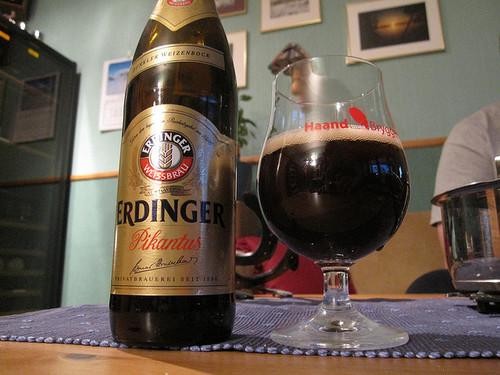
Erdinger Beer. (Photo: Bernt Rostad/Flickr)
Beer
It shouldn’t come as a surprise that the country that hosts the world’s largest beer festival (looking at you, Oktoberfest) also produces some of the world’s best brews. Each German state is famous for their own local beer, but Erdinger Brewery in Munich is one of the best (and offers a three-hour tour and tasting). Other breweries we like include Augustiner Bräuerei and Radeberger.
Related: You’ll Never Guess Where to Find the Cheapest Beer in the World
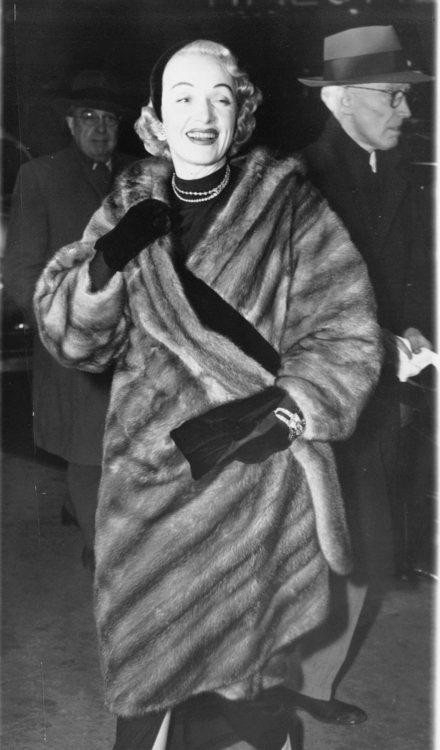
Germans and movies go way back to Marlene Dietrich. (Photo: AP)
Making Movies
What do movies like The Book Thief, The Monuments Men, Grand Budapest Hotel and Inglourious Basterds have in common? They were all filmed in Germany at the famous Babeslberg Studios. Germany’s cinema history goes back to the early 20th century with such famous actresses as Marlene Dietrich, and countless award-winning movies and cinematic innovations. It’s possible to tour the Babelsberg Studios or, for history film buffs, the Film and Television Museum in Berlin’s Potsdamer Platz is equally interesting and enlightening.
Related: WATCH: Who Will Win the World Cup? The Animals Have Spoken!
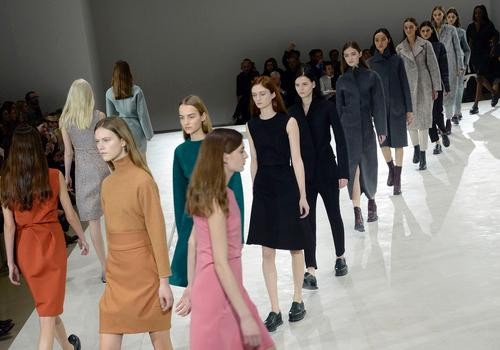
Jil Sander models. (AP Photo/Giuseppe Aresu)
Fashion
Besides being the longtime home to Hugo Boss and Karl Lagerfeld, the fashion industry is alive and well in Germany with strong but elegant styles. Hamburg is home to cutting-edge contemporary designers including Jil Sander. Check out the Karoviertel (especially Markstraße) for small, boutique designers in Hamburg.
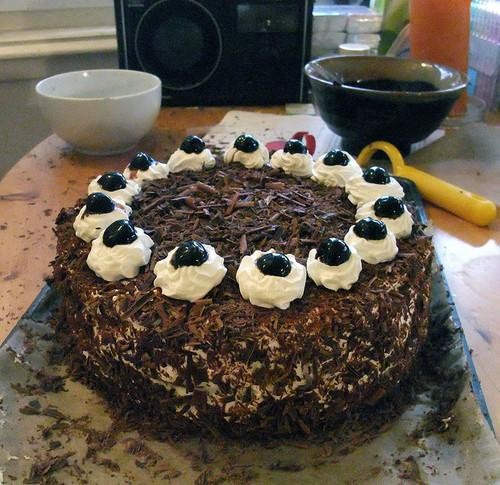
Black Forest Cake … Yum!. (Photo: Jutta/Flickr)
Cakes
There’s nothing more German than a bit of Kaffee und Kuchen (coffee and cake) in the afternoon. And with a deep-rooted love for bread, it’s no surprise that the Germans know how to make a good cake, too. In the south it’s all about the Black Forest Cake (Schwarzwälder Kirschtorte) — a delicious layered chocolate confection with cherries, whipped cream, and liquor. Visit Freiburg, Lake Titisee and Feldberg (all small towns in the Black Forest) to find the best cafes and restaurants serving this creation.
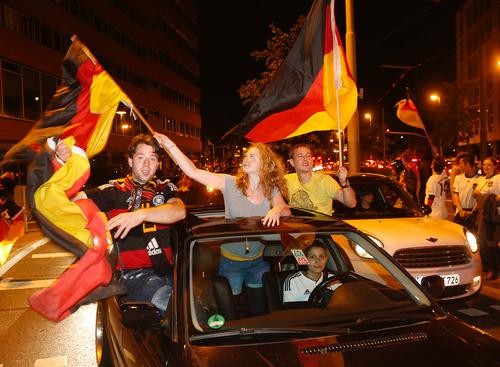
Soccer and cars combine in Germany. (AP Photo/Michael Probst)
Cars
From Volkswagen to Porsche and Mercedes-Benz, Germans know how to make a good car. Stuttgart is Germany’s unofficial auto capital and the Mercedes-Benz Museum there is one of the best museums you’ll ever visit. If you’re not in the area to buy a new set of wheels, most German car manufacturers offer factory tours. (Why did the author forget Audi? --rsb)
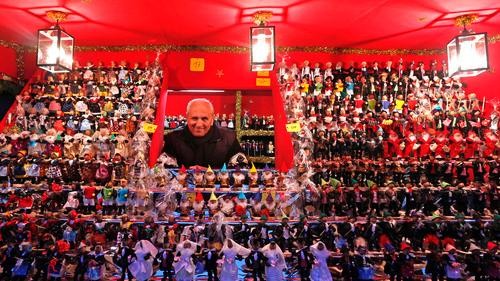
The Christmas Market in Nuremberg. (AP Photo/Matthias Schrader)
Christmas
Nobody does Christmas like the Germans do. With world-renowned markets (including one of the most famous in Nuremberg) and enough baubles and nutcrackers throughout the country, Germany makes the cold winters warm. Just make sure you try Glühwein (mulled wine). Visit Nuremberg, Dresden, and Berlin for the country’s best Christmas markets (or Weihnachtsmarktë).
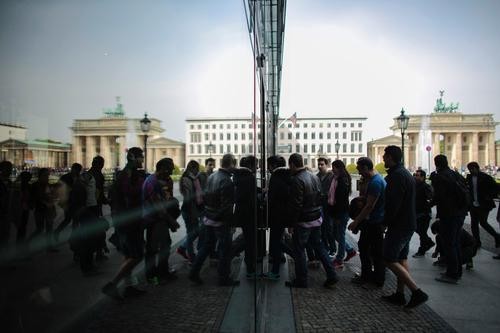
Visitors enter the Academy of Arts in Berlin. (AP Photo/Markus Schreiber)
Art
From the contemporary to the quirky, Berlin is home to hundreds of independent art galleries and the city attracts new artists each year. Visit Berlin during the annual Gallery Weekend (held each May for the past 10 years) for a quick glimpse into Berlin’s art world.
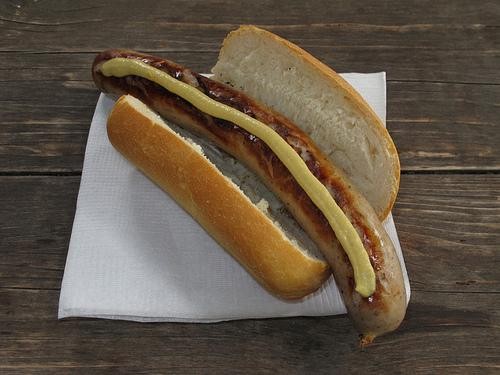
Thüringer Bratwurst. (Photo: Gourmandise/Flickr)
Sausages
In Germany, it’s all about the wurst. Any public event in Germany (even soccer) sees countless sausage vendors, and we’ve all got our favorites. When you can buy a decent sausage on the street for under $2 in central Berlin from one of the countless grillwalkers, you know you’re onto something special. From the Thüringer Bratwurst popular across the country (and at every public fair) to the Weisswurst (white sausage) popular in the south, each region of Germany is as proud of their sausage as they are of their local beer.

Neuschwanstein Castle. (AP Photo/Christof Stache)
Castles
You’re probably familiar with the castle made famous by Walt Disney, but did you know it’s actually inspired by an actual castle — where else, but in Germany? Neuschwanstein Castle can be visited easily on a day trip from Munich, but there are hundreds of other castles and palaces across Germany. Hohenzollern Castle in the German state of Baden-Württemberg is often cited as one of the country’s prettiest (and it’s still owned by the Prussian royalty), but Sanssouci in Potsdam and Wartburg Castle (a UNESCO World Heritage site) are equally famous and picturesque.
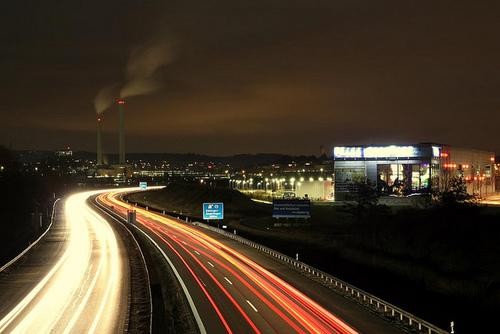
A stretch of the Autobahn. (Photo: Steffen Ramsaier/Flickr)
Driving Fast
Where else in the world can you get in a car and travel at speeds over 100 mph? Germany’s federal highway system, the Autobahn, is famous for its unposted speed limits along long stretches of the highway. It’s not uncommon to spot Porsches and other racers speeding down the highway. Want to try it yourself (with caution, of course)? German-owned Sixt Rent-A-Car has autos for hire across the country and in most metropolitan areas.
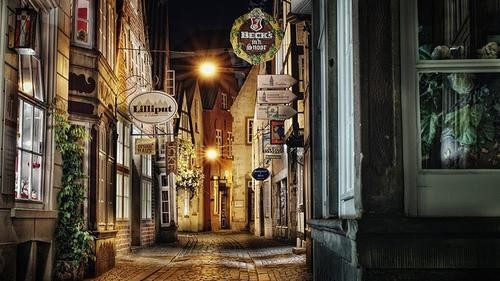
Bremen, Germany. (Photo: Jonas Ginter/Flickr)
Picturesque Small Towns
There’s a reason so many cities in America have their own German villages. Forget the East German styles of Berlin and the Old Cities of Munich and Dresden — in Germany it’s all about the small towns. Hamlets like Freiburg and Bremen are certainly pretty, but visit even smaller places like Schmalkaden in the middle of the Thuringian mountains or the lakeside town of Konstanz (am Bodensee) on the border between Germany, Switzerland, and Austria for even more picturesque views. And some great outdoor activities, too.
Adam Groffman is a globetrotter and self-styled hipster. He covers city trips in Europe and around the world, writing about expat life, festivals, nightlife and LGBT tourism on his personal travel blog, Travels of Adam and is the editor of My Gay Travel Guide. When he’s not out exploring the coolest bars and clubs, he’s usually enjoying the local arts and culture scene of a new city. You’ll find him most often in Berlin, Germany or on Twitter at @travelsofadam.
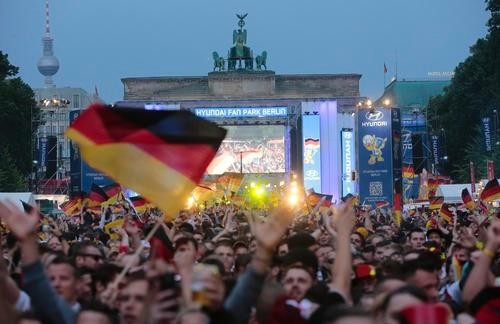
Germans in Berlin are savoring the World Cup title here, but they have much else to celebrate. (AP Photo/Markus Schreiber)
-
-
lleb • 10 hours ago
-
-
-
lleb • 10 hours ago
-
-
-
lleb • 10 hours ago
-
-
-
orangeblossom • 10 hours ago
-
-
-
regin • 8 hours ago
-
-
-
lleb • 10 hours ago
-
-
-
lleb • 10 hours ago
-
-
-
joseph • 5 hours ago
-
Sunday, June 1, 2014
15 Things You Didn’t Know Were German
15
Chicken Fried Steak

Although the origins about this delicious, plate swamping treat vary (I mean, we can’t even agree about who or where it was first served in the Lone Star State) most sources say that it is attributed to German and Austrian immigrants in Texas, who brought over the recipe for Wiener Schnitzel. Of course, Americans took it up a notch and really fried the heck out of that sucker and smothered it in gravy. It is believed that it started being referred to as Chicken Fried Steak, and not Wiener Schnitzel, during the war with Germany.
14
Ring Binder

The famous ring binder that we all come into contact with at least once a week (or daily if in school) is a German invention – and a relatively recent one, at that. Friedrich Soennecken invented it in Bonn, Germany, in 1886. The same year he also patented the hole punch (he must have seen Thomas Edison snooping around). The great innovation of adding a hole to the cover was also introduced by a German: Louis Leitz. Interestingly, there is an ISO standard for the distance between the two rings on a double-ring binder, but no official standard for three ring binders.
13
Nutcracker
(Story and Figuring)

The carving of nutcrackers began as a small, cottage industry in the wooded regions of rural Germany. They were, and are, known for their intricate detail and decoration.
Also, before the word nutcracker became synonymous with the Russian ballet by Tchaikovsky (and also synonymous with the ever hilarious short videos on America’s Funniest Videos), the Nutcracker was the hero of an early 19th century story by Berlin’s E.T.A. Hoffman. The story was later adapted for the famous ballet.
12
Gingerbread Houses

The Gingerbread house was first noted in the Grimm’s Fairy tale, Hansel and Gretel, and followed in a little known German opera by the same title. After the show was first produced only days before Christmas, it became a holiday tradition in German Opera houses to build miniature replicas of the gingerbread house from the story. The tradition then spread to bakeries and, eventually, to homes.
11
Advent Calendars

The origins of this Christmas tradition come from the German Lutherans, as early as the beginning of the 19th century. The calendar started off simple, a written way to count down the days until Christmas. Eventually, lighting 24 candles became popular. And, very early in the 20th century, Gerhard Lang was credited with printing the first Advent calendar. Several years later, he decided to add little doors that would open to reveal the date or a scripture. It wasn’t until after WWII that the calendars began to be filled with candies and treats for the days before Christmas.
10
Christmas Tree

The tradition of decorating the Tannenbaum (hello, German word) dates back to the 16th century. Although it is documented that trees were erected in present day Estonia and Latvia in the 15th century, it was the Germans who really started the whole decorating tradition. They spruced up the tree with wax candles, fruits and trinkets and the tradition remained confined to the upper Rheinland region of Germany for some time. The idea eventually began to spread throughout the Christian world, when royal families from neighboring countries got wind of it.
Hallmark, you can thank Germany for the bazillions of ornaments you sell every year.
9
Easter Bunny

The Easter Bunny, at least as we know it today, first appeared in 16th century writings in Germany. In the 1700s, Pennsylvania Dutch settlers brought the tradition of the Easter Bunny with them to the new world. Their children believed that if they were good, the Easter bunny would come and lay eggs and treats into nests the children made out of upturned hats and bonnets.
8
Easter Eggs Hunts

While evidence on this isn’t as firm as some of the others, it is believed that the tradition of hiding Easter eggs was first started in Southern Germany. While the legend of the Easter bunny laying eggs in the grass had been around for sometime, the Germans decided to go all out and actually have children hunt for the eggs in hard to reach and see places. Leave it to the Germans to step it up a notch or two!
7
Gummi Bears

I (and probably most American readers) always thought of Gummi Bears as an American product. The sweet treats were invented in the 1920′s by Hans Riegel Sr (of Bonn) when he started the Ha-ri-bo company. Not only do they produce Gummi Bears, and all other chewy candy under the Haribo name, but the company also makes all Trolli brands of gummy candy, like the popular gummi worms.
6
Prefabricated Houses

Ha, take that one, you “American white trash” stereotypers! The pre fab home – oh come on, let’s just call them like they are – the trailer home was invented by Warner Sell of Berlin. After WWII, there was a need for places to house the U.S. forces occupying the area. Sell’s company manufactured over 5000 prefabricated houses, and the soldier boys lived it up in high style!
5
Here Comes the Bride
First known as the “Treulich geführt”, the song that is forever linked to women in white gowns, was composed in 1850 by Richard Wagner for his opera, Lohengrin. Although the song is now traditionally played as the bride makes her way down the aisle, it was sung (yes, it even has original words to go along) in the Opera after the ceremony by the members of the bridal party. The video clip above is a good version of this song from the opera. Oh – and by the way, the OTHER wedding song (the recessional) is also by a German: Felix Mendelssohn – it is called the Wedding March and it is from A Midsummer Night’s Dream
4
Everything Disney Does

From cashing in on Grimm’s Fairy Tales, Cinderella, Rapunzel, Sleeping Beauty, Snow White to name a few, to building a close replica of the Neuschwanstein Castle in Bavaria, Disney movies and theme parks have relied heavily on German influence. Entertainment would be pretty dull if it wasn’t for Disney stealing from the Germans and Hollywood stealing from the Japanese (think J-Horror)!
3
American Picnic Items

Just about all the ingredients to make a perfect ‘All-American’ picnic come from German origins. There is the hot dog, or a Frankfurter: a pork sausage that finds its origins in 13th century Germany. Then, you can’t forget the condiments. Ketchup, which was developed by Heinz, and Mayonnaise, developed by Hellman, both German immigrants. Of course some of those items are based off earlier recipes (Ancient Rome: ketchup; France: mayonnaise) but the favorites eaten today are definitely German. Then, of course, there is the Potato Salad. Although there are many different versions to this dish, one of the most popular variations is the tradition German potato salad.
2
Light Bulb

Poor Heinrich Göbel. He is credited with developing the incandescent light bulb over 25 years before Thomas Edison had his bright idea. There was just one little thing Göbel forgot to do….apply for a patent. (Although, I will have to admit, that he was born and grew up in Germany but was in the US by the time he developed his idea). At least Tesla wasn’t the only one cheated by Edison.
1 (Time to get personal...rsb)
The Hair Perm

German hairdresser Charles Nessler invented a very early version of the perm. He used a mixture of cow urine and water to achieve those bouncy, poodle like waves. Smells good ladies. Before coming up with just the right mix of harsh and damaging chemicals, he ran test trials on his wife. Two of which burnt off most of her hair and resulted in scalp burns. I think that might be grounds for divorce. Thanks for giving me a dog’s hairstyle in the 4th grade, Germany!
So, out of these 15, who has a favorite? Other items to add? (MP3 Player, for instance...)
Till -- Du hast schon wieder etwas ganz interessant für uns gefunden. Danke. --rsb
Tuesday, December 10, 2013
Krampus Masks weigh over 25 pounds!
Willst du auch eine Maske haben?
Hast du Lust eine Maske zu basteln?
Hast du Lust eine Maske zu basteln?
Friday, November 1, 2013
Hier in Halloween! vom ALBTRAUM vor WEIHNACHTEN (Nightmare Before Halloween)
Wie viel verstehen wir?
Wortschatz
Songtext
This is Halloween Songtext Übersetzung:
Nightmare before Christmas ? This is Halloween (Übersetzung)
Kommt mit uns, wir laden euch ein
Kinder hören wir unheimlich gern schreien
Hier bei uns wird nur geschrieen
fliehen wir nach Halloween
------
Hier in Halloween-- Hier in Halloween
Kürbis kreischt um die Mitternacht
Hier in Halloween
spielen wir jedem, der's verdient
Schabernack, und dann
fallen sie tot um vor Schreck
Halloween! Hier wird nur geschrieen
jeder hier liebt Halloween
------
Ich bin das Monster unter deinem Bett
Augen rot, die Zähne gefletscht
Unter der Treppe da mach ich mich rar
Finger wie Schlangen und Spinnen in den Haaren
Hier in Halloween Hier in Halloween
Halloween, Halloween Halloween, Halloween
Jetzt geht's rund, wie man sieht
Jedermann singt unser Kürbislied
Jetzt geht's rund! Heut' ist Halloween
Jedermann erwartet neuen Schabernack
Um die Ecke, da steckt in deinem Mülleimer
Jemand lauert und er stürzt sich gleich auf
- Dich, hier in Halloween
- rot und schwarz, schleimig grün
- hast du Angst?
- au, das ist fein!
Sag es laut, sag's noch mal
roll die Würfel, triff die Wahl
Reitet den Mond um die Mitternacht
------
Hier wird nur geschrieen
Hier wird nur geschrieen
Nur bei uns in Halloween
------
Ich bin der Clown mit dem Abreiß- Gesicht
Schwupps ist es da, und auf einmal nicht
Ich bin der Wer, wenn du rufst ,,Wer da'?
Ich bin der Wind, wehe durch dein Haar
Ich bin der Schatten, der den Mond bedeckt
Schlafe nicht ein, sonst wirst du erschreckt
------
Hier in Halloween Hier in Halloween
Halloween, Halloween Halloween, Halloween
------
Leichen pflastern unsern Weg
Schrecken ist hier Privileg
Ob in Wien oder in Berlin
Nichts ist schöner als Halloween
Jetzt geht's rund! Heut? ist Halloween
Jedermann erwartet neuen Schabernack
Skellington Jack, der König
bringt dich um vor Schreck!
Springt dir ins Genick
und dann hörst du ihn schrei?n
Hier in Halloween, hier wird nur geschrieen
bitte macht jetzt Platz für ?nen wirklich feinen Kerl
Unser Jack ist König der Kürbisse
Jedermann grüßt unsern Kürbiskönig
------
Hier in Halloween Hier in Halloween
Halloween, Halloween Halloween, Halloween
Jetzt geht's rund, wie man sieht
Jedermann singt unser Kürbislied
la la la lala...(etc.)
Halloween Halloween (etc.)
Hui!
HIER IST DAS SCHOENE LIED: DIE REISE DURCH DIE ZEIT!
Sunday, September 29, 2013
Die zwölf Weihnachtstagen: Julie Andrews singt nicht, aber....
Zu Weihnachten, schenke ich dir mit Liebe,
(To the nights of Christmas, gift I to you with love...)
Die Königssänger (Kings Singers-- mit John Denver, und Placido Domingo) mit Julie Andrews:
http://www.youtube.com/watch?
1. Eine buntbemalte Kuckucksuhr
2. einen Bierkrug
3. ein Tirolerhut
4. einen Kugelhupf
5. ein Glockenspiel
6. fünfzig Pfeffernüße
7. drei Wienerschnitzel
8. ein Spitzendirndl
9. drei Zwetschgenknödel
10. einen Apfelstrudel
11. ein Federkissen
12. zwanzig Krache Würste ????
(To the nights of Christmas, gift I to you with love...)
Die Königssänger (Kings Singers-- mit John Denver, und Placido Domingo) mit Julie Andrews:
http://www.youtube.com/watch?
1. Eine buntbemalte Kuckucksuhr
2. einen Bierkrug
3. ein Tirolerhut
4. einen Kugelhupf
5. ein Glockenspiel
6. fünfzig Pfeffernüße
7. drei Wienerschnitzel
8. ein Spitzendirndl
9. drei Zwetschgenknödel
10. einen Apfelstrudel
11. ein Federkissen
12. zwanzig Krache Würste ????
Friday, January 4, 2013
Contest Entry: VIENNA

Vienna must be the Christmassiest city on earth.
I admit, I say this without having visited Santa’s hometown in the North Pole, but I think even the HOH OHO postcode would have a hard time competing with Vienna, which springs alive with golden light just when you think mother nature has sunken into a grumpy, menopausal depression.

As though Vienna didn’t already have a reputation for jump-starting one’s romantic inclinations – in December the magnificent streets are crowned with canopies of light. And we’re not just talking about Wal-Mart’s basic tri-colour string of bulbs, here. About 40 of Vienna’s prime shopping streets seem to have their own unique lighting design. Thus, the entire city becomes a free, luminous art installation.

And the markets – oh, the markets! I had a vague notion of the existence of traditional Christmas Markets in Germany and Austria (and it would be a shame not to mention the excellent euro-inspired market in Toronto’s Distillery District), but I had no idea how many markets you could find in Vienna alone. At one point, I got lost and stumbled across no fewer than three markets within a small area! According to the tourist board, the official tally is 10-15 markets in Vienna.

The best part is, every market has its own personality. Sure, they’re all spiked with glühwein (mulled wine) and punsch (more hot alcohol), and the tiny wooden hut is the unanimous choice for architecture, but the underlying character of the market varies from district to district. The largest market at theRathaus, for instance, was teeming with tourists and – quite frankly – too chaotic for my taste. The market at Schönbrunn Palace, however, was far more civilized and offered a better experience overall.Spittelberg Market, tucked away and spread throughout a few narrow streets, was another favourite – it seemed like a secret market where hip locals might choose to go.
Other intriguing options are the Old Viennese Market on Freyung, where a Christmas Market has been held since 1772, and its opposite, the modern design market at Looshaus.
 The beauty of the markets, apart from the delicious foods (gingerbread, baked apples, potatoes, sausages) is how ardently they’ve clung to traditions. These markets could have so easily become crassly commercial – picture a portable dollar store, hawking cheap plastic ornaments and tacky presents. Instead, handmade, wholesome gifts abound. Things like baskets, shadow-puppets and dense loaves of stollen. I bought some felt ornaments from a middle-aged guy. Before leaving his stall, I asked if they were made here in Vienna.
“Hah!” he laughed, and continued in hesitant English. “I make every night. No sleep!”
One felt snowman: tiny.
Customer satisfaction: huge.
This is the first in a series of posts about Christmas in Vienna and Berlin. Tomorrow, check in to learn about the home of the snowglobe!
Subscribe to:
Posts (Atom)