Showing posts with label reisen. Show all posts
Showing posts with label reisen. Show all posts
Thursday, September 17, 2015
Einmal um die Welt von Cro
[Refrain]
Baby bitte mach dir niemehr Sorgen um Geld!
Gib mir nur deine Hand ich kauf dir Morgen die Welt!
Egal wohin du willst wir fliegen um die Welt
Haun' sofort wieder ab, wenn es dir hier nicht gefällt.
[Strophe I:]
Ost, West oder Nord
Habe den Jackpot an Board
Will von hier über London
Direkt nach New York.
Denn ab Heute leb' ich jeden
Tag als ob ich Morgen tot wäre
Laufe durch den Park und werf'
Mit Geld, als ob es Brot wäre. (YEAH)
Nur noch Kaviar, Champagner oder Champus
Baby ich efüll' dir wirklich jeden Wunsch mit Handkuss.
Frühstück in Paris und danach joggen auf Hawai,
Und um das ganze noch zu toppen gehen wir shoppen in LA.
Also pack' dir deine Zahnbürste ein,
Denn ab Heute bist du mehr als an nur einem Ort Daheim.
Mit meinem Babe in der Hand
Und 'nem Safe an der Wand
Können wir tun was wir wollen
Und das Leben ist noch lang....
Also komm!
[Refrain]
[Strophe II:]
Sie will Kreditkarten
Und meine Mietwagen
Sie will Designerschuhe und davon
Ganz schön Viel haben
"MANOLO BLAHNIK, PRADA, GUCCI, und LACOSTE"
Kein Problem dann kauf' ich halt
für deine Schuhe gleich ein ganzes Schloss!
Sie will in Geld baden
Und sie will Pelz tragen
Sie will schnell fahren
Einmal um die Welt fahren.
Sie kann sich kaufen was sie wollte doch nie hatte
Denn ich hab jetzt die American Express und zwar die schwarze,
Also komm...
[Refrain]
Warum will er das ganze Geld ausgeben? Glaubt er, das muss er für sie tun?

Saturday, August 22, 2015
Wednesday, August 19, 2015
Auf der Suche nach dem gesundesten Essen der Welt
Searching the healthiest food in the world . . .
I think you'll understand plenty of this program -- and also find it interesting! Text notes begin below. When I ran out of room on the screen, I continued with outline above the film. Let me know what you got out of this film!
~ 14: One can't go 20 steps in Tokyo without encountering another dining opportunity.
~ 15:15: Ein Erdbeben - Live! The cooks experience an earthquake...Not too bad. And they get right back to work.
~ 16:30: Subways stop at department stores. The basements are the grocery stores.
~ 17:00 The percentage of a Japanese family's income spent on food. (Germany spends just 8%)
~ 18:30 The Japanese eat by season for flavor.
~ 20:00 Leibspeise (Thunfisch) ist im Gefahr (in danger): In Germany: 15 Kilo/per person Fish
but in Japan, they average 66 Kilo Fisch per person!
~ 21:45 Sushi Theken (counters) aren't only for nutrition, but also for conversation and comfort.
~ 23:20 Diet of their cattle includes: Fishpellets
~ 25:00 Nach dem Essen, die Massagen gegen Stress: 6 years long, the cattle get a message after eating.
~ 25:30 Cattle auction: perfection: Japan sucht die Superkuh! Euro 20,000 Preis for 4th place cow
~ 27:00 Beef prices are outrageous! (New item on the menu, compared to soybeans)
~ 28:15 Soybean perfection for tofu. In Germany, Soyaquark. Daily eaten in Japan, even 3x/da.
~ 29:15 Yoba: Most Protein-rich bites in the world.
Bewegungsmangel macht man Krank
~ 30:15 Kyoto footage (adelig = aristocratic)
~ 32:38 Das Motiv ist immer die Jahreszeit: The season!
~ 33:30 Man isst hier nicht saat, man isst sich zufrieden.
~ 34:00 Ritual of flailing a fish without separating the pieces; a captivating and meaningful vision to Japanese.
~ 35:00 Grills..... Food and Beverage Trucks!
~ 36:45 14 hour-long days, but it's all about conversation here, too.
~ 38:00 Man isst sich auch hier nicht satt; man isst sich geselig.
~ 38:20 Considerably young (90-year-old) woman has died; most live to be 100 on Okinawa Island.
~ 39:15 Goya: eat this and live to 120!
Von Norden nach Süden bin ich gereist -- allein, mit meinen kleinen Kamera...
durch Sushi-Theken . . .
Versessen auf Essen ... Obsessed with Food
Gesunde Kost aus Fernost ... Healthy Victuals from the Far East
Auf Speisereise durch Japan ... On a Foodie Tour through Japan
mit Gert Anhalt
Früher Morgen --- schon weg! (Cool, nicht wahr?)
Sie fangen nichts ein, sie rupfen was raus: Kombu (= Seatang = seaweed).
Alles in Handarbeit.
6x am einen Tag kehren sie zurück in den Hafen.
Die ganze Familie muss mithelfen. Bald schon kommt die Sonne raus. Da glänzt ...
Daschi ist das Aroma Japans.
Buchweizen ist gesund. Man kann so viel essen, wie man will.
61 Schüssel geschafft haben...Essen macht nicht nur satt, sondern auch glücklich.
Das Frühstück ist gesund.
Die Entdeckung der Nato... verhindert Krebs!
~ 42:00 Was noch braucht man, um gesund zu bleiben?
• Viel Bewegung an der frischen Luft !
• Lachen mit Freunden.
• Glück, und
• Zufriedenheit.
I think you'll understand plenty of this program -- and also find it interesting! Text notes begin below. When I ran out of room on the screen, I continued with outline above the film. Let me know what you got out of this film!
~ 14: One can't go 20 steps in Tokyo without encountering another dining opportunity.
~ 15:15: Ein Erdbeben - Live! The cooks experience an earthquake...Not too bad. And they get right back to work.
~ 16:30: Subways stop at department stores. The basements are the grocery stores.
~ 17:00 The percentage of a Japanese family's income spent on food. (Germany spends just 8%)
~ 18:30 The Japanese eat by season for flavor.
~ 20:00 Leibspeise (Thunfisch) ist im Gefahr (in danger): In Germany: 15 Kilo/per person Fish
but in Japan, they average 66 Kilo Fisch per person!
~ 21:45 Sushi Theken (counters) aren't only for nutrition, but also for conversation and comfort.
~ 23:20 Diet of their cattle includes: Fishpellets
~ 25:00 Nach dem Essen, die Massagen gegen Stress: 6 years long, the cattle get a message after eating.
~ 25:30 Cattle auction: perfection: Japan sucht die Superkuh! Euro 20,000 Preis for 4th place cow
~ 27:00 Beef prices are outrageous! (New item on the menu, compared to soybeans)
~ 28:15 Soybean perfection for tofu. In Germany, Soyaquark. Daily eaten in Japan, even 3x/da.
~ 29:15 Yoba: Most Protein-rich bites in the world.
Bewegungsmangel macht man Krank
~ 30:15 Kyoto footage (adelig = aristocratic)
~ 32:38 Das Motiv ist immer die Jahreszeit: The season!
~ 33:30 Man isst hier nicht saat, man isst sich zufrieden.
~ 34:00 Ritual of flailing a fish without separating the pieces; a captivating and meaningful vision to Japanese.
~ 35:00 Grills..... Food and Beverage Trucks!
~ 36:45 14 hour-long days, but it's all about conversation here, too.
~ 38:00 Man isst sich auch hier nicht satt; man isst sich geselig.
~ 38:20 Considerably young (90-year-old) woman has died; most live to be 100 on Okinawa Island.
~ 39:15 Goya: eat this and live to 120!
Von Norden nach Süden bin ich gereist -- allein, mit meinen kleinen Kamera...
durch Sushi-Theken . . .
Versessen auf Essen ... Obsessed with Food
Gesunde Kost aus Fernost ... Healthy Victuals from the Far East
Auf Speisereise durch Japan ... On a Foodie Tour through Japan
mit Gert Anhalt
Früher Morgen --- schon weg! (Cool, nicht wahr?)
Sie fangen nichts ein, sie rupfen was raus: Kombu (= Seatang = seaweed).
Alles in Handarbeit.
6x am einen Tag kehren sie zurück in den Hafen.
Die ganze Familie muss mithelfen. Bald schon kommt die Sonne raus. Da glänzt ...
Daschi ist das Aroma Japans.
Buchweizen ist gesund. Man kann so viel essen, wie man will.
61 Schüssel geschafft haben...Essen macht nicht nur satt, sondern auch glücklich.
Das Frühstück ist gesund.
Die Entdeckung der Nato... verhindert Krebs!
~ 42:00 Was noch braucht man, um gesund zu bleiben?
• Viel Bewegung an der frischen Luft !
• Lachen mit Freunden.
• Glück, und
• Zufriedenheit.
Sunday, August 16, 2015
134 Super Useful and Common German Travel Phrases and Vocabulary Words
Danke, FluentU
Say Hello to My Little Friend: Basic Greetings, Introductions and Goodbyes
You have to start somewhere, right? Below are a few basic phrases and words to help you when you first meet someone.Hallo! Hello!
Guten Morgen! Good Morning!
Guten Tag! Good day!
Guten Abend! Good Evening!
Ich heiße… My name is…
Wie heißen Sie? What is your name?
Wie geht’s? How are you?
Mir geht’s gut. I’m doing well.
Mir geht’s nicht gut. I’m not doing well.
Ich komme aus…I am from…
.....[den USA/Kanada/Australien/Großbritannien]. [....the USA/Canada/Australia/UK].
Wie lange sind Sie in .... How long are you in ...
.... [Deutschland/Österreich/der Schweiz]? [....Germany/Austria/Switzerland]?
Ich bin für .... hier. I am here for .....
.... [eine Woche/zwei Wochen/drei Wochen]. [....one week/two weeks/three weeks].
Bis später! See you later!
Tschüß Bye!

OMG, Shopping: Elementary Vocabulary for Buying Stuff
Inevitably you will want to buy your mom (or yourself) something from your trip to Zurich. It’s important to know basic shopping expressions in German so that you’re not completely ripped off. If you master the following easy expressions, the salesperson might think twice about over-charging you for those Swiss chocolates!Haben Sie Andenken? Do you have souvenirs?
Verkaufen Sie…? Do you sell…?
Wieviel kostet das? How much is that?
Ich kann nur X Euro bezahlen. I can only pay X euros.
Ich habe nur X Euro dabei. I only have X euros with me.
Kann ich es für X Euro haben? Can I have it for X euros?
Habe Sie was billigerer? Do you have something cheaper?
Haben Sie das in einer [kleinen/großen] Größe? Do you have that in a [smaller/bigger] size?
Um wieviel Uhr [öffnet/schließt] das Geschäft? What time does the shop [open/close]?
Was möchten Sie? What would you like?
Was suchen Sie? What are you looking for?
Kann ich mit Bargeld bezahlen? Can I pay with cash?
Kann ich mit Kreditkarte bezahlen? Can I pay with credit card?

Wining and Dining: What to Say at a Restaurant
You eat at least three times a day. Mealtime is the perfect time to show off some of your newly acquired German skills. Impress the waiter (and your new Austrian ladyfriend/boytoy) with by throwing out some simple German restaurant expressions.Einen Tisch für [zwei/drei/vier], bitte. A table for [two/three/four], please.
Ich habe einen Tisch reserviert. I have reserved a table.
Kann ich bitte die [Speisekarte/Weinkarte] sehen? Can I see the [menu/wine list], please?
Ich hätte gern… I would like to have …
Was ist der Unterschied zwischen X und Y? What’s the difference between X and Y?
Mit laktosefreier Milch, bitte. With lactose-free milk, please.
Ist das glutenfrei? Is that gluten-free?
Haben Sie vegetarisches Essen? Do you have vegetarian food?
Ein Glas Mineralwasser, bitte. A glass of (bottled -- minerals added) water, please.
... [Mit/ohne] Sprudel, bitte. ... [Sparkling/not sparkling], please.
Ein Glas Leitungswasser, bitte. A glass of tap water, please.
Bedienung! Waiter! / Waitress!
Die Rechnung, bitte. The check, please.
Frühstück Breakfast
Mittagessen Lunch
Abendessen Dinner
Zum Wohl! To your health!
Prost! Cheers!
Guten Appetit! Enjoy your meal!
Salz Salt
Pfeffer Pepper
Zucker Sugar
Scharf Spicy
Süß Sweet
Sauer Sour
Serviette Napkin
Teller Plate
Gabel Fork
Löffel Spoon
Messer Knife
Glas Glass
Tasse Cup
Noch eins, bitte! Another one, please!
Wo ist die Toilette? Where is the bathroom?
Herren/Männer Men
Damen/Frauen Women
Kann ich eine Quittung haben, bitte? Can I have a receipt, please?
Toto, We’re Not in Kansas Anymore: Giving and Asking for Directions in German
You’re not Magellan! Being too shy to ask for directions in your hometown might work fine. In a city like Vienna, however, you will get lost eventually. Stop checking Google Maps – the old Viennese lady won’t bite!Wo? Where?
Entschuldigung, wo ist…? Excuse me, where is…?
In welche Richtung ist X? In what direction is X?
Ist es in der Nähe? Is it near?
Ist es weit weg? Is it far away?
Wo ist der [Eingang/Ausgang]? Where is the [entrance/exit]?
Bitte bringen Sie mich zu dieser Adresse. Please bring me to this address.
Zum Stadtzentrum, bitte. To the city center, please.
Zum Bahnhof, bitte. To the train station, please.
Zum Flughafen, bitte. To the airport, please.
Es ist da. / Da ist es. It’s there. / There it is.
An der Ecke At/On the corner
Nach links To the left
Nach rechts To the right
Gerade aus Straight ahead
Oben Upstairs
Unten Downstairs
Zurück Back
Bitte halten Sie hier an. Please stop here.
Norden North
Süden South
Osten East
Westen West

Missed Connections: Important Public Transportation Expressions
Unless you’re planning to spend a fortune on taxis in Düsseldorf, you may want to know some basic bus and train vocabulary. If the signs in the station are unclear—which they almost always are, right?—use the following phrases to get you to your destination.Wo ist der Bus? Where is the bus?
Wo ist die U-Bahn? Where is the subway?
Wieviel kostet eine Fahrkarte nach X? How much is a ticket to X?
Fährt dieser Zug nach…? Does this train go to…?
Wohin fährt dieser Bus? To where does this bus go?
Kann ich bitte einen Stadtplan haben? May I have a city map please?
Kann ich bitte einen U-Bahnplan haben? May I have a underground train map, please?
Können Sie mir das auf der Karte zeigen? Can you show me on the map?
Muss ich umsteigen? Do I have to transfer?

Room Service Dreams: Vocabulary for Hotel Check-In and Check-Out
Though most hotels in big cities have an English-speaking staff, if you go to a remote area of Austria or Germany, you may find yourself in a small inn run by an old couple with no English skills. Just to be on the safe side, memorize the following expressions and you won’t have to sleep outdoors!Ich habe eine Reservierung. I have a reservation.
Haben Sie noch Zimmer frei? Do you have free rooms?
Können Sie mir ein anderes Hotel empfehlen? Can you recommend another hotel?
Ich hätte gern ein Zimmer. I would like a room.
Ich bleibe [eine Nacht/zwei Nächte/drei Nächte]. I am staying [one night/two nights/three nights].
Ist Frühstück inklusive? Is breakfast included?
Können Sie mich um X Uhr wecken? Can you wake me up at X o’clock?
Zimmerdienst Room service
Dusche Shower
Einzelzimmer Single room
Klimaanlage Air conditioning
Schlüssel Key
Bis wann muss man auschecken? By when must I/we check-out?

Running Around Town: Important City Vocabulary
Want to send your friend a postcard from Basel? Tired of spending money at expensive restaurants in Hamburg? Need to get some cash? No matter where you are in the world, you will eventually have to run an errand. Below are a couple of places around town you might need to visit during your trip.Wo ist die Bank? Where is the bank?
Ist die Post im Stadtzentrum? Is the post office in the city center?
Wo ist der beste Supermarkt? Where is the best supermarket?
Wo ist die leckerste Bäckerei? Where is the yummiest bakery?
Wo ist die nächste Tankstelle? Where is the nearest gas station?
Ist der Bahnhof neben dem Fluss? Is the train station next to the river?
Ist der Flughafen weit weg? Is the airport far away?

Pressing the Panic Button: Emergency German Vocabulary
You will hopefully never need any of the following German phrases. Nevertheless, it’s better to be safe than sorry. Anything can happen while you travel, so memorize the following to avoid any sticky situations that may arise.Hilfe! Help!
Ich brauche die Polizei. I need the police.
Ich habe [meine Tasche/mein Portemonnaie] verloren. I’ve lost [my bag/my wallet].
Ich bin gerade bestohlen worden. I was just robbed.
Wo ist das Krankenhaus? Where is the hospital?
Wo ist die Apotheke? Where is the pharmacy?
Ich bin krank. I am sick.
Haben Sie Aspirin? Do you have aspirin?
Lassen Sie mich in Ruhe. Leave me alone.
Fassen Sie mich nicht an! Don’t touch me!
Das ist ein Notfall. This is an emergency.
Ich habe mich verirrt. I’m lost.
Wie komme ich zum [amerikanischen/kanadischen/australischen/britischen] Konsulat?
How do I get to the [American/Canadian/Australian/British] consulate?
Just in Case: Saying You Don’t Understand
If you do your homework, you may find that you may not need the following expressions. However, if you want to be on the safe side, here are some useful expressions for when that Swiss man starts going off in rapid German.Ich verstehe nicht. I don’t understand.
Bitte wiederholen Sie. Please repeat.
Sprechen Sie Englisch? Do you speak English?
Ich spreche nicht viel Deutsch. I don’t speak much German.
Können Sie das übersetzen? Can you translate that please?
Wow! That felt like a lot of phrases. If you are still new to German language learning, you may be feeling a bit overwhelmed – this list does present you with lots of vocabulary. However, once you get a grasp of basic German grammar and vocabulary, it should be no problem at all to commit these phrases to memory. Try practicing some of these phrases out loud to get your pronunciation right before leaving on your travels. If you’re a total procrastinator, take this list with you to practice on the plane.
Before we part ways, there’s one final travel phrase you need to know:
Gute reise! Have a good trip!
Wednesday, July 15, 2015
Um die Welt mit der Maus -- und mit Ralph
Travel the world with Ralph (Die Sendung mit der Maus)
Here are 4 episodes, each bringing viewers to meet a normal family in their activities for a week, including visiting a normal school, shopping for a meal, and eating a normal meal.
1. Nach Südafrika
2. Nach Indien
3. Nach Brasilien
4. Nach Griechenland
Here are 4 episodes, each bringing viewers to meet a normal family in their activities for a week, including visiting a normal school, shopping for a meal, and eating a normal meal.
1. Nach Südafrika
2. Nach Indien
3. Nach Brasilien
4. Nach Griechenland
Saturday, March 21, 2015
Du bist ein Ausflug ins Blaue! Ein romantisches Lied vom Chima
Du bist ein Ausflug ins Blaue!
Songtext
Wie mit der Concorde
Von Paris nach New York
Mit dem Raumschiff
Von hier bis zum Mars
Wie auf Dromedaren durch die Wüste
Mit dem Floß auf dem Mekong
Wie ein blinder Passagier fahren
In der transsibirischen Eisenbahn
Refrain: Du bist ein Ausflug ins Blaue
Eine Reise um die Welt
Das Ende einer Odyssee
Zu mir selbst
Du bist ein Ausflug ins Blaue
Deine Sehenswürdigkeiten bleiben keinem verborgen
Für dich gibt es keine Beschreibung
Kein Navi, kein Plan
Mit dir brauch' ich kein Gepäck
Nur ein bisschen Wind im Rücken
Und wir fahr'n
Keine Ahnung wo die Reise hin geht
Aber ich glaub ich komm' an
Refrain
Doch jede Reise hat ein Ende
Irgendwann ist man daheim
Dann bleiben nur die Bilder
Doch ich würde gern auf Reisen sein
Refrain x 2
Refrain
Here's an article from guest blogger and German language learner and tutor (from the UK, now living in Berlin, Natash Douglas! "When she gets round to it, she writes a blog about her travels and experiences."

9 Cool German Grammar Lessons Learned from Listening to Chima
It’s pretty much impossible to go one day without hearing music. It’s everywhere: playing in shops, blasting out as someone’s ringtone or booming from a tricked-out car. It gets us psyched for adrenaline-filled action scenes in movies, and it melts our hearts as our favorite television characters confess their undying love for one another.But what if you could use music to help you learn German?
Listening to music is great for your language skills: it helps with pronunciation, vocab, idioms and overall fluency.
You know how you’ve had the chorus of “Let it Go” stuck in your head for weeks? Now imagine you’d had the German version in your head all that time. You’d be totally prepared next time your German teacher brings up that one time you forgot to hand in your homework: “lass es los, lass jetzt los…” --FIND the German version of this Disney hit on DEUTSCH-HEUTE -- thanks to FluentU:
But it’s not just vocab that you can learn from listening to German music. Read on to learn more about the many benefits of listening to German music.
Download: This blog post is available as a convenient and portable PDF that you can take anywhere. Click here to get a copy. (Download)
9 Cool German Grammar Lessons Learned from Listening to Chima
Every German song has a whole load of grammar built in – grammar lessons are always just waiting to be learned!Grammar can seem pretty dry at times: a whole load of rules and concepts to be learned when really all you want is to be out there speaking the language. But it’s important. And it certainly doesn’t have to be boring.
We’ve taken a look at the lyrics to Chima’s “Ausflug ins Blaue” and come up with some grammar lessons you won’t likely forget any time soon. Not if you learn the words to the song, anyway.
Nigerian-born Chimaobinna Enyiakanwanne Onyele (known to most people simply as Chima) is a singer from Frankfurt. He became well known in Germany in 2012 with his hit single “Morgen,” and his song “Ausflug ins Blaue” is a great one for belting out at the top of your voice and annoying your little brother. It’s also a great one to put on your getting-ready-to-go-out playlist (you know you have one), and it has a fabulous video to boot.
Check it out!
And here are the lyrics, so you can start singing along already.
If you want to view the lyrics while watching this video, “Ausflug Ins Blaue” is available on FluentU. FluentU provides interactive subtitles in German and in English (which can be toggled on and off at will), so you’ll be singing along in German faster than ever.
With FluentU, you can practice key vocabulary and grammar in the “Ausflug Ins Blaue” video before or after watching by checking out learn mode. You’ll even get to review your newly-learned language with vocab lists and multimedia flashcards!
FluentU is bound to make your Chima experience that much more educational.
Now, let’s get into the grammar.
Here are 9 fascinating things you can learn from “Ausflug ins Blaue.” Some are, admittedly, more useful than others, but all of them are interesting. And that’s just from one song. Imagine how much you could learn from a whole album!
9 Cool German Grammar Lessons Learned from Listening to Chima
1. You go nach cities, but zu planets
Keep this in mind in case you end up planning a trip to Saturn any time soon:
Wie mit der Concorde
Von Paris nach New York
Mit dem Raumschiff
Von hier bis zum Mars
Knowing which preposition to use is a challenge in any language, but
one of the best ways of getting it to stick is by learning examples. The
first four lines of “Ausflug ins Blaue” contain a great little lesson on just that: you travel nach New York, but zum Mars (to New York, to Mars). This rule can be extended to other cities:- ich fahre nach Berlin (I’m going to Berlin)
- Billigflieger nach Moskau (cheap flights to Moscow)
- Busreise nach Budapest (coach trip to Budapest)
- ein Flug zur Venus (a flight to Venus)
- Weltraum-Forscher planen bemannte Reise zum Jupiter (space researchers plan manned mission to Jupiter)
2. Most planets are masculine
With the exception of die Erde and die Venus, all the planets are masculine.Good to know, right?
So that means der Merkur, der Mars, der Jupiter, der Saturn, der Uranus and der Neptun. But die Erde and die Venus. Venus totally makes sense to be feminine: she was a Roman goddess of love and beauty, after all. And the Earth is weird anyway.
3. Contractions don’t always have to be painful
Want a good tip about how to sound properly German? Never say “zu dem” or “in das” or “in dem.” These words work like “don’t” and “can’t” in English: they contract to make a single word. However, the Germans use their contractions even more than we do.Here’s a useful list of the most common German contractions:
an + das = ans
an + dem = am
auf + das = aufs
bei + dem = beim
in + das = ins
in + dem = im
von + dem = vom
zu + dem = zum
zu + der = zur
In “Ausflug ins Blaue” these contractions turn up several times. Take the title, for example: that “ins” is a contraction of “in das.” Then we have “zum Mars” (from zu dem) and “nur ein bisschen Wind im Rücken” (from in dem).
4. Verb placement
Germans are kind of picky about where you put your verbs. There are various different rules that you have to learn, and although eventually it comes naturally, it can be hard at first. The key is exposure: listen to German, read German, write in German and be strict with yourself about sticking to the rules.The two most important rules of German verb order are listed as #5 and #6 on this list.
5. The verb is always the 2nd idea in the clause
Some people say it should be the second word, but that’s simply not true.Take the sentence I just wrote: “some people say it should be the second word.” The first idea in that sentence is “some people.” Then comes the verb.
It’s the same in German: manche Leute sagen… So far so good. But in German this applies even when the first idea isn’t the people doing the verb. So if you wanted to say “on the weekend I learn German,” you’d have to move the verb to the second place: “am Wochenende lerne ich Deutsch.”
Of course, I say “always,” but I’m exaggerating a little there. Really that rule should read ‘The verb is always the 2nd idea in the clause unless rule #2 applies’.

6. Some words send the verb to the end of the sentence
They get sent to the end of the sentence, much the way the dunce gets sent to the back of the classroom.Coordinating conjunctions (words like because, although, since) send the verb to the end of the sentence, and you have to ignore rule #1. For example: “I speak German” – ich spreche Deutsch, but “because I speak German” – weil ich Deutsch spreche.
There are only a limited number of words that do this, so it’s quite easy once you learn them. Here’s a list of the worst culprits:
als – when (talking about the past)
bevor – before
bis – until
da – since, as
damit – so that
dass – that
falls – in case
indem – while, by doing
nachdem – after
ob – whether
obgleich / obschon / obwohl – although
seit / seitdem – since (time)
sobald – as soon as
sodass / so dass – so that, in order that
solang(e) – as long as
trotzdem – regardless, all the same
während – while, during
weil – because
wenn – if, whenever
Don’t worry – it may take a while to get used to, but listening to German songs is one way to help yourself. For example, “Ausflug ins Blaue” has some good examples of the verb taking the second place in the sentence. Take a look:
Für dich gibt es keine Beschreibung
Mit dir brauch’ ich kein Gepäck
Jede Reise hat ein Ende
Irgendwann ist man daheim
Dann bleiben nur die Bilder
7. Using hin & her correctly makes you sound really German
Hin and her are little grammatical particles which tell you where things are. Hin tells you that movement is happening away from the speaker; her tells you movement is happening towards them.So, the line “Keine Ahnung wo die Reise hin geht’ in Ausflug ins Blaue” means something along the lines of “I have no idea where we’ll end up” (literally “no idea where the journey is going to”). In this sentence the hin emphasizes that the movement is towards a destination different than the current location (even though the speaker doesn’t know where exactly).
Two other useful hin/her phrases are:
Schau mal hin! – Look (over there)!
Komm mal her! – Come over here (from there)!
8. Auf etw. sein is a great construction
In “Ausflug ins Blaue” the phrase “Doch ich würde gern auf Reisen sein” means “but I would like to be traveling,” or “but I would like to be on the road,” and is created using the construction auf etw. sein. And there are loads of great phrases that use this construction:
auf Draht sein – to be on one’s toes
auf Ehemannsuche sein – to be husband-hunting
auf Dienstreise sein – to be on a business trip
auf 180 sein – to be in a rage
auf Arbeitssuche sein – to be looking for work
auf Erfolgskurs sein – to be tipped for success
9. Learn phrases to help you remember adjectival endings
Every German student knows that adjectival endings are a nightmare. But it’s not all about tables and rules. One of the easiest ways to learn your adjectival endings is to learn phrases that contain them. And what better way to learn something by rote than through song?!Learn these lines from “Ausflug ins Blaue” and you’ll have a couple of variations down already — not to mention, you’ll keep yourself in good humor! With a few more songs under your belt, they’ll all start to come more naturally.
Wie ein blinder Passagier fahren (masculine, nominative)
In der transsibirischen Eisenbahn (feminine, dative)
Originally from the UK, Natasha Douglas is a Berlin-based writer and photographer. She has been learning German for over a decade, and is an experienced language tutor.
Friday, September 5, 2014
October Deadline for FREE TRIP TO GERMANY! STEM-Interest? PLEASE APPLY!
Discover a new Path: Explore Germany


Tuesday, July 15, 2014
What's Germany Good at Besides Soccer? Lots of Things!
Yahoo Travel by Jul 15, 2014

Germany — World Cup winner and more (Photo: Thinkstock)
After 10 years of hard work, and 24 years since a previous win, Germany is once again the soccer “Weltmeister” (world champion). But Germany is so much more than football. From sausage to beer, movies to fashion, here's where Germany is good — nay, great! — and the undeclared world champion in many areas besides soccer.
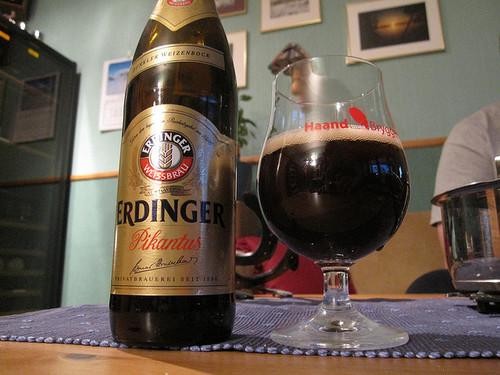
Erdinger Beer. (Photo: Bernt Rostad/Flickr)
Beer
It shouldn’t come as a surprise that the country that hosts the world’s largest beer festival (looking at you, Oktoberfest) also produces some of the world’s best brews. Each German state is famous for their own local beer, but Erdinger Brewery in Munich is one of the best (and offers a three-hour tour and tasting). Other breweries we like include Augustiner Bräuerei and Radeberger.
Related: You’ll Never Guess Where to Find the Cheapest Beer in the World
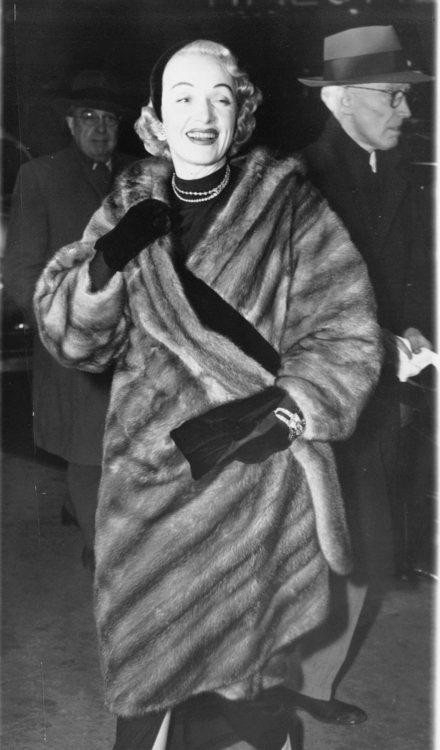
Germans and movies go way back to Marlene Dietrich. (Photo: AP)
Making Movies
What do movies like The Book Thief, The Monuments Men, Grand Budapest Hotel and Inglourious Basterds have in common? They were all filmed in Germany at the famous Babeslberg Studios. Germany’s cinema history goes back to the early 20th century with such famous actresses as Marlene Dietrich, and countless award-winning movies and cinematic innovations. It’s possible to tour the Babelsberg Studios or, for history film buffs, the Film and Television Museum in Berlin’s Potsdamer Platz is equally interesting and enlightening.
Related: WATCH: Who Will Win the World Cup? The Animals Have Spoken!

Jil Sander models. (AP Photo/Giuseppe Aresu)
Fashion
Besides being the longtime home to Hugo Boss and Karl Lagerfeld, the fashion industry is alive and well in Germany with strong but elegant styles. Hamburg is home to cutting-edge contemporary designers including Jil Sander. Check out the Karoviertel (especially Markstraße) for small, boutique designers in Hamburg.
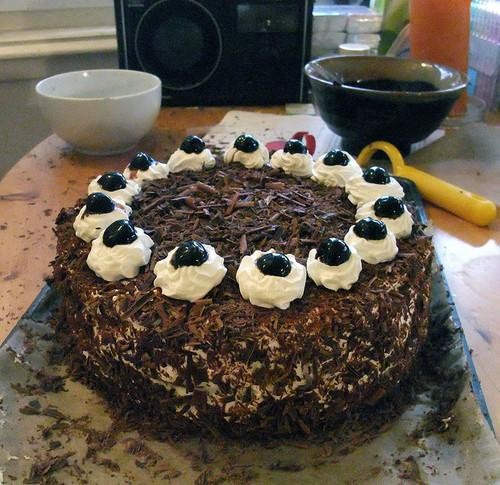
Black Forest Cake … Yum!. (Photo: Jutta/Flickr)
Cakes
There’s nothing more German than a bit of Kaffee und Kuchen (coffee and cake) in the afternoon. And with a deep-rooted love for bread, it’s no surprise that the Germans know how to make a good cake, too. In the south it’s all about the Black Forest Cake (Schwarzwälder Kirschtorte) — a delicious layered chocolate confection with cherries, whipped cream, and liquor. Visit Freiburg, Lake Titisee and Feldberg (all small towns in the Black Forest) to find the best cafes and restaurants serving this creation.
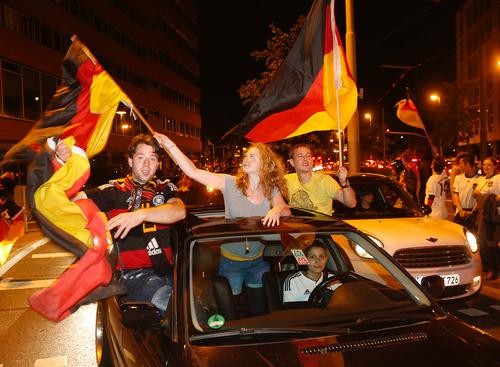
Soccer and cars combine in Germany. (AP Photo/Michael Probst)
Cars
From Volkswagen to Porsche and Mercedes-Benz, Germans know how to make a good car. Stuttgart is Germany’s unofficial auto capital and the Mercedes-Benz Museum there is one of the best museums you’ll ever visit. If you’re not in the area to buy a new set of wheels, most German car manufacturers offer factory tours. (Why did the author forget Audi? --rsb)
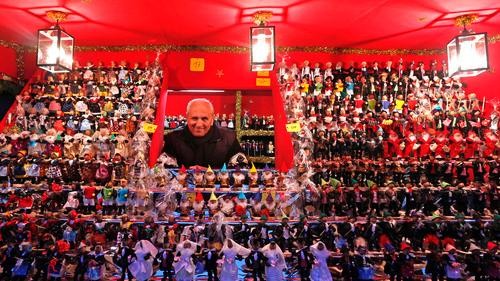
The Christmas Market in Nuremberg. (AP Photo/Matthias Schrader)
Christmas
Nobody does Christmas like the Germans do. With world-renowned markets (including one of the most famous in Nuremberg) and enough baubles and nutcrackers throughout the country, Germany makes the cold winters warm. Just make sure you try Glühwein (mulled wine). Visit Nuremberg, Dresden, and Berlin for the country’s best Christmas markets (or Weihnachtsmarktë).
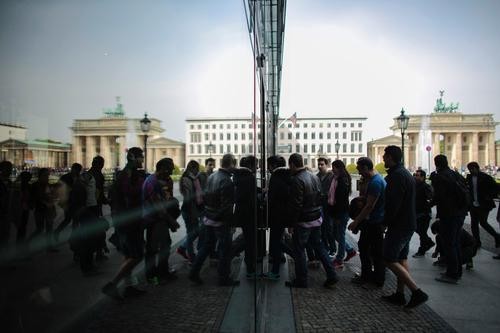
Visitors enter the Academy of Arts in Berlin. (AP Photo/Markus Schreiber)
Art
From the contemporary to the quirky, Berlin is home to hundreds of independent art galleries and the city attracts new artists each year. Visit Berlin during the annual Gallery Weekend (held each May for the past 10 years) for a quick glimpse into Berlin’s art world.

Thüringer Bratwurst. (Photo: Gourmandise/Flickr)
Sausages
In Germany, it’s all about the wurst. Any public event in Germany (even soccer) sees countless sausage vendors, and we’ve all got our favorites. When you can buy a decent sausage on the street for under $2 in central Berlin from one of the countless grillwalkers, you know you’re onto something special. From the Thüringer Bratwurst popular across the country (and at every public fair) to the Weisswurst (white sausage) popular in the south, each region of Germany is as proud of their sausage as they are of their local beer.
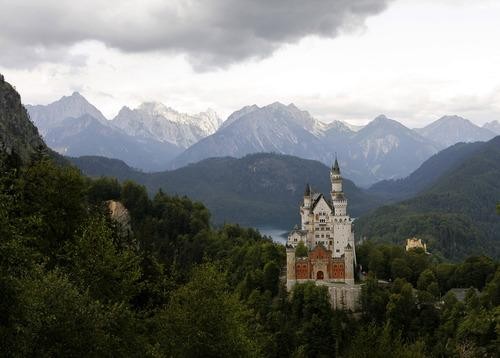
Neuschwanstein Castle. (AP Photo/Christof Stache)
Castles
You’re probably familiar with the castle made famous by Walt Disney, but did you know it’s actually inspired by an actual castle — where else, but in Germany? Neuschwanstein Castle can be visited easily on a day trip from Munich, but there are hundreds of other castles and palaces across Germany. Hohenzollern Castle in the German state of Baden-Württemberg is often cited as one of the country’s prettiest (and it’s still owned by the Prussian royalty), but Sanssouci in Potsdam and Wartburg Castle (a UNESCO World Heritage site) are equally famous and picturesque.
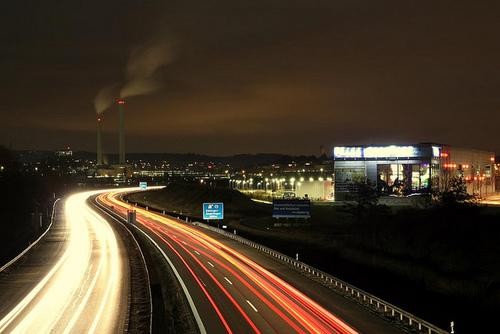
A stretch of the Autobahn. (Photo: Steffen Ramsaier/Flickr)
Driving Fast
Where else in the world can you get in a car and travel at speeds over 100 mph? Germany’s federal highway system, the Autobahn, is famous for its unposted speed limits along long stretches of the highway. It’s not uncommon to spot Porsches and other racers speeding down the highway. Want to try it yourself (with caution, of course)? German-owned Sixt Rent-A-Car has autos for hire across the country and in most metropolitan areas.
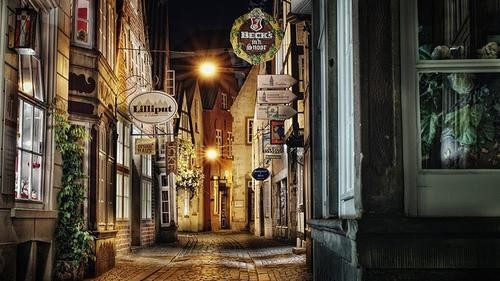
Bremen, Germany. (Photo: Jonas Ginter/Flickr)
Picturesque Small Towns
There’s a reason so many cities in America have their own German villages. Forget the East German styles of Berlin and the Old Cities of Munich and Dresden — in Germany it’s all about the small towns. Hamlets like Freiburg and Bremen are certainly pretty, but visit even smaller places like Schmalkaden in the middle of the Thuringian mountains or the lakeside town of Konstanz (am Bodensee) on the border between Germany, Switzerland, and Austria for even more picturesque views. And some great outdoor activities, too.
Adam Groffman is a globetrotter and self-styled hipster. He covers city trips in Europe and around the world, writing about expat life, festivals, nightlife and LGBT tourism on his personal travel blog, Travels of Adam and is the editor of My Gay Travel Guide. When he’s not out exploring the coolest bars and clubs, he’s usually enjoying the local arts and culture scene of a new city. You’ll find him most often in Berlin, Germany or on Twitter at @travelsofadam.
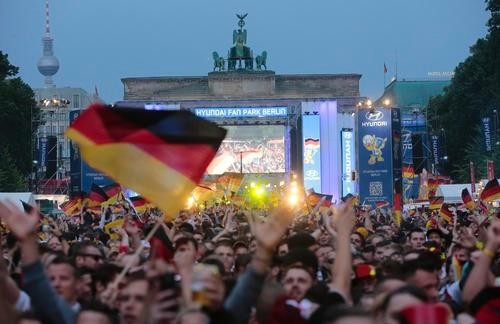
Germans in Berlin are savoring the World Cup title here, but they have much else to celebrate. (AP Photo/Markus Schreiber)
-
-
lleb • 10 hours ago
-
-
-
lleb • 10 hours ago
-
-
-
lleb • 10 hours ago
-
-
-
orangeblossom • 10 hours ago
-
-
-
regin • 8 hours ago
-
-
-
lleb • 10 hours ago
-
-
-
lleb • 10 hours ago
-
-
-
joseph • 5 hours ago
-
Saturday, March 29, 2014
Rick Steves "RIDING THE RAILS"
General info:
--> Rail Passes and Transfers
--> Scheduling Stopovers (Cologne!)
Taking a night train
Wer will jetzt reisen?
--Anybody ready to travel?
--> Rail Passes and Transfers
--> Scheduling Stopovers (Cologne!)
Taking a night train
Wer will jetzt reisen?
--Anybody ready to travel?
Friday, February 21, 2014
Axel Fischer - Traum von Amsterdam
Songtext:
Refrain:
Traum von Amsterdam
Der die Hoffnung nahm
Allein in einer fremden Stadt
Allein in Amsterdam x2
Heut' sag' ich, es war einmal
Märchen voll Angst und Qual
Elfen, Prinz und gute Feen
War'n für uns nicht vorgeseh'n
Halt mich, hast du oft gesagt
Wie? hab ich dich dann gefragt
Liebe hat total versagt
In Amsterdam
Komm wir fahren nach Amsterdam
Ich weiß, dass uns nichts passieren kann
Du und ich, wir ham's doch im Griff
Dabei saßen wir längst auf dem sinkenden Schiff
Bleib doch, hab ich noch gesagt
Wie? hast du mich dann gefragt
Liebe hat total versagt
In Amsterdam
Refrain:
Regenbogengold
haben wir gewollt,
Rote Rosen soll'n vom Himmel fallen
Und nie verblüh'n.
Komm wir fahren nach Amsterdam
Es war klar, dass ich dich nicht halten kann
Liebe hat sich den Starken gewählt
Verloren, wenn man zu den Schwächeren zählt
Bleib doch, hab ich noch gesagt
Wie? hast du mich dann gefragt
Liebe hat total versagt
In Amsterdam
Refrain:
Regenbogengold
haben wir gewollt
Rote Rosen soll'n vom Himmel fallen
Und nie verblüh'n
Refrain:
Regenbogengold
haben wir gewollt
Rote Rosen soll'n vom Himmel fallen
Und nie verblüh'n
Refrain:
A-M-S-T-E-R-D-A-M
Thursday, June 13, 2013
Monday, September 3, 2012
Panorama Fussen, Neuschwanstein, Hohenschwangau
HIER DIE FOTOS:
(Do click on the helicopters in the sky to get the additional panoramas mentioned below.)
Und hier ist der Text auf der Webseite:

(Do click on the helicopters in the sky to get the additional panoramas mentioned below.)
Und hier ist der Text auf der Webseite:
This virtual tour concludes our series of panoramas about the most beautiful castle in Bavaria - Neuschwanstein (click to open our first virtual tour above the castle). Around the famous castle located many other attractions. We were able to capture the castle Hohenschwangau. We have done even a night panorama. We also flew over the town of Fussen, so you can look at this town in our tour.
Germany is the land of fairy tales that
gave the world Wilhelm Hauff and The Brothers Grimm, for example.
Germany is also home to the most magical castle on the planet,
Neuschwanstein Castle, the name of which translates as «The New Swan
Cliff». It was built in the second half of the nineteenth century by
Ludwig II of Bavaria, or as they called him, «The Fairy-Tale King».
Ludwig II holds a special place amongst
other German rulers. What set him apart from his stringent and
warrior-like predecessors was his romanticism and dreamy character, so
much so that he channelled all of his statesman's passion (alongside
with state funds) towards making his dreams come true, dreams of
magical countries populated by fairy-tale creatures.
Disillusioned by the daily routines of
Munich, Ludwig II was not interested in its problems. Instead, day by
day he became more and more submerged in his own dream world. This gave
the world several castles - Herrenchiemsee, Linderhof and
Neuschwanstein, each one is a masterpiece of world architecture,
enchanting us with its weightlessness and fairy-tale silhouettes with
magnificent mountains as a backdrop.
Wartburg Castle was chosen as the model
for Neuschwanstein as it is the only remaining castle from the feudal
period in Bavaria. Ludwig the II's creation surpassed the original. At
the time the King was very deeply moved by Richard Wagner's opera
«Lohengrin», he saw himself in the opera's main character, the noble
white swan-knight, a fairy-tale hero of the ancient legends. And with
the help of architects he created his own «Swan Castle».
The walls of the castle depict the
magical world of «The Song of The Nibelungs» («Nibelungenlied»),
medieval legends of Przival, Lohengrin and Tannhäuser, The Holy Grail,
Tristan and Isolde... The masters spent a long time working very
carefully on every hall and every panel painting, with every detail a
true masterpiece. This is also the reason why the building work took so
long and failed to reach completion even in Ludwig's lifetime. As an
example, the wood carving in one bedroom took 14 carpenters 4 and a
half years.
Yet the King had the incredible ability
to combine fantasies with reality, and despite the castle's heavenly
appearance, it was equipped with all the modern technology of its time.
The rooms in the royal residence were fitted with hot air central
heating, toilets were equipped with an automatic flushing system,
electric bells were in place to summon servants and some floors even
had telephones!
Neuschwanstein is first and foremost a
true fairy tale made of stone. It became the prototype for the Sleeping
Beauty castle in Disneyland Paris and a source of inspiration for
Tchaikovsky's ballet «The Swan Lake». But in the end it drove the King
insane, and instead of attending to the urgent duties of his country as
a ruler, he went on expeditions, following the footsteps of Wilhelm
Tell or had dinner with the spirit of Louis XIV. Night became day and
day became night for Ludwig II and for that he was nicknamed The Moon
King.
According to Bavarian law a king can be
removed from power if found unfit to govern. It is not surprising then
that eventually (in 1886) he was deposed. He was transported to the
Berg Castle and died the next day in a lake under mysterious
circumstances together, with the psychiatrist who diagnosed him as
insane. These mysterious events have contributed to the intriguing
image of the castle. Just two months after the King's death, the
unfinished Neuschwanstein was open to visitors!
And it was the right thing to do. No
stories or photos of Neuschwanstein can possibly depict its beauty.
Once you have admired our aerial panoramas, we strongly recommend you
see the fairy tale for yourself. Getting to Neuschwanstein Castle:
there are trains and taxis available from nearby towns.
The walls of the castle depict the
magical world of «The Song of The Nibelungs» («Nibelungenlied»),
medieval legends of Przival, Lohengrin and Tannhäuser, The Holy Grail,
Tristan and Isolde... The masters spent a long time working very
carefully on every hall and every panel painting, with every detail a
true masterpiece. This is also the reason why the building work took so
long and failed to reach completion even in Ludwig's lifetime. As an
example, the wood carving in one bedroom took 14 carpenters 4 and a
half years.
Yet the King had the incredible ability
to combine fantasies with reality, and despite the castle's heavenly
appearance, it was equipped with all the modern technology of its time.
The rooms in the royal residence were fitted with hot air central
heating, toilets were equipped with an automatic flushing system,
electric bells were in place to summon servants and some floors even
had telephones!
Neuschwanstein is first and foremost a
true fairy tale made of stone. It became the prototype for the Sleeping
Beauty castle in Disneyland Paris and a source of inspiration for
Tchaikovsky's ballet «The Swan Lake». But in the end it drove the King
insane, and instead of attending to the urgent duties of his country as
a ruler, he went on expeditions, following the footsteps of Wilhelm
Tell or had dinner with the spirit of Louis XIV. Night became day and
day became night for Ludwig II and for that he was nicknamed The Moon
King.
According to Bavarian law a king can be
removed from power if found unfit to govern. It is not surprising then
that eventually (in 1886) he was deposed. He was transported to the
Berg Castle and died the next day in a lake under mysterious
circumstances together, with the psychiatrist who diagnosed him as
insane. These mysterious events have contributed to the intriguing
image of the castle. Just two months after the King's death, the
unfinished Neuschwanstein was open to visitors!
And it was the right thing to do. No
stories or photos of Neuschwanstein can possibly depict its beauty.
Once you have admired our aerial panoramas, we strongly recommend you
see the fairy tale for yourself. Getting to Neuschwanstein Castle:
there are trains and taxis available from nearby towns.
Technically the photo shoot of this
type shouldn't take more than two days. However, we decided to give it
some extra time... As it turned out, it was a wise decision.
Mountains stay mountains (even if it's just low foothills of Alps in
Southern Bavaria), so the weather is rather unpredictable there. It is
also worth mentioning, that the only time when the castle is
perfectly lit for the photo is that short 30-minutes window in the
morning. Afterwards the sun travels leaving only the sidewall of the
castle in light.
We arrived. But apparently the weather
didn't want to cooperate. Day one - it was raining all day; photo
shoot was canceled. Day two - the same thing.
On the third day the weather tricked
us again. The thick fog covered everything from the very morning.
Regardless, we were full of optimism, so we climbed the mountain above
the castle, and then descended into the valley, hoping to find a
clearing. No luck. Finally after three hours of waiting we decided to
shoot the castle at any cost.
However, there are no good shooting
spots when the visibility is 30-40 meters. Except for one - right from
the center of the castle! Although it's rather risky to fly and shoot
in the castle...
Anyhow, we took our chance. Thank God
that all the tourists were asleep at such an early hour. The take-off
was very difficult due to heavy fog, which was in reality 100%
humidity. It condensed large drops of water on the equipment, so we
had to be quick. There was no time to go back and correct mistakes.
Our RC helicopter took off and quickly
disappeared into the fog. All we had was the screen of our laptop
with blinking control lights and short beeps of the height sensor in
Stas's headphones. The time passed very slowly.
In a few minutes, here it was - our
helicopter returned from the white foam of the fog, all wet, as if it
was in a shower. Everything was covered with large drops of water: the
helicopter, the camera, and the lens. Nevertheless, the equipment did
its job just fine, and we immediately returned to our hotel room to
dry it.
So this is the story of shooting this spherical panorama.
We spent the following day waiting,
and only on the forth day did nature smile at us. The weather was
wonderful and we shot, and shot, and shot...
-- Thank you, gentlemen, for such amazing photos, not to mention your rich commentary! rsb

Subscribe to:
Posts (Atom)