Showing posts with label Ossi. Show all posts

Sunday, September 11, 2016

Learn These 10 German Words to Understand Modern German History


While it’s true that the 12 years of the Third Reich still play a large role in German cultural memory and identity, more recent historical events loom much larger in the collective conscious of today’s Germany: the years between 1945 and 1990, when the country was split into East Germany (the German Democratic Republic- GDR in English / DDR auf Deutsch) and West Germany (the Federal Republic of Germany- FRG = English / BRD auf Deutsch). As a tourist, a long-term visitor or a resident in Germany, you’ll see that the division between East and West Germany still affects the country today, in areas including the economy, political attitudes, racism and more. You’ll also see the physical effects of this division, especially in Berlin, which was divided into two cities (one controlled by the FRG and one controlled by the GDR), from 1961 until 1989.

Sound overwhelming? There’s half a century of backstory to learn here, but it’s definitely doable. By learning these 10 vocab words related to the country’s division and eventual reunion, you’ll be well on your way to understanding this crucial time period for Deutschland.

learn german words

Why Learn about German History from 1945 to the Present?

1. Most Germans alive today lived through this time.
Many people who were adults during the Third Reich and World War II have now died of old age. But everyone you meet over the age of 25 in Germany was alive during the country’s division. Understanding the history of the divided country will go a long way towards helping you understand the German people’s psychology, prejudices and attitudes.

2. The division of Germany still has a huge effect on the country today.
Last fall, Germany made international headlines when PEGIDA, a Dresden-based far-right, anti-Islam organization, marched in cities around the country. Germans who disagreed with PEGIDA grumbled that of course a far-right, anti-Islam movement would come out of Dresden. After all, the city was located in one of two Tal der Ahnungslosen, or Valley of the Clueless [Tal = valley; Ahnung = clue], during the Cold War. Dresden’s section of southeast Germany and another part of northeast Germany could not receive television broadcasts from the west—hence the stereotype that these regions are ill-informed to this day.

This Dresdener stereotype is just one way that Germany’s division still has bearing on the country today. You’ll find evidence of this division in large-scale matters such as the economic discrepancy between east and west, and small-scale matters such as brand loyalty to Nutella versus brand loyalty to Nudossi, the East German version of Nutella.

3. As a tourist, you’ll see remnants of this division
If you visit Berlin, you’ll see pieces of the Berlin Wall still standing and covered with graffiti, Trabants (cars) zooming through the streets, murals depicting scenes from 1961 and 1989, Stolpersteine (stumbling stones) embedded into the cobblestone to commemorate those who "disappeared," and even different traffic signals (Ampelmännchen) in East Berlin and West Berlin. Understanding what all of this means will greatly enhance your experience as a tourist in Berlin and Germany.

Where Can You Learn More About This Time Period?

I can't resist adding these cultural gems:

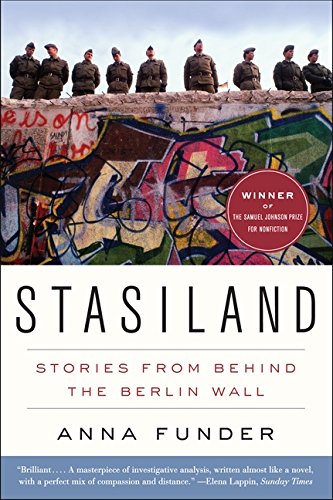
1. “Stasiland” by Anna Funder  (published in 2003)
learn german words
This book is about the East Germans who resisted the GDR, the people who worked for the Stasi (the GDR’s secret police) and how those two groups coexist in German society now.  Funder’s book largely condemns the GDR and its system for its surveillance state, its murders and its torture, a viewpoint shared by many Germans today. Read more about “Stasiland” in The Guardian.

2. “Born in the GDR: Living in the Shadow of the Wall” by Hester Vaizey
(Oxford University Press in January 2015)
learn german words
The book tells a slightly different story than “Stasiland.” Vaizey interviewed 8 former East Germans about their experiences during Germany’s division and reunification. In the process of doing so, she met people spanning the gamut of opinions about the GDR, including people who had been imprisoned by the Stasi, people who felt resentful that West Germany had absorbed East Germany with no regard for the latter’s traditions, along with commentary on how their lives had changed after the fall of the wall.  Vaizey’s book will give you a glimpse into the range of East German experiences.

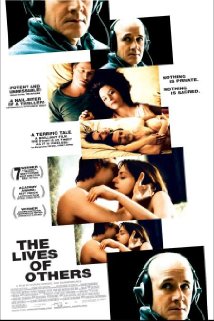
3. The movie “The Lives of Others”  (Das Leben der Anderen: 2006 German film and Best Foreign Language Film Academy Award winner)
learn german words
The movie tells the story of Stasi agents spying on a playwright in the 1980s, and the ruinous fall-out that comes from intense state scrutiny of private lives.

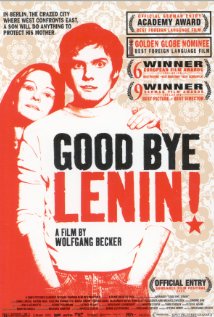
4. The movie “Goodbye Lenin” ( much lighter award-winning film from 2003)
learn german words
This film takes a much lighter approach to the GDR than “The Lives of Others.” Here, a devoted socialist woman falls into a coma before the Berlin Wall falls and wakes up after. Her son, fearing for her health, goes to great lengths to sustain the illusion that the GDR still exists and the wall is still standing.

Now finally: Yes, it was a complicated time in German history, and many people have complicated memories of it. But learn these ten words and you’ll be well on your way to a basic understanding of this period in German history.

10 German Words to Help You Understand Modern German History

1. Die Wende

Definition: the change, the turning point

Historical significance: Die Wende is the name for the significant changes that rocked the GDR after the Berlin Wall fell in 1989, leading up to reunification in late 1990. Suddenly, East Germans could travel to the west. The GDR moved towards a market economy, held a free election and eventually reunited with West Germany on Oct. 3, 1990.

Read more about die Wende here.

2. Die Grenze

Definition: the border, the boundary

Historical significance: Die Grenze signifies the border (called the Inner German Border) that ran between the GDR and the Federal Republic of Germany from 1949 to 1990, a 863-mile boundary extending from the Baltic Sea to Czechoslovakia. The heavily-guarded boundary, built to prevent GDR citizens from escaping into West Germany, separated two countries and two ways of life.

3. Der Ampelmann

Definition: related to die Ampel, which means traffic light

Historical significance: If you visit Berlin, you’ll see ordinary walking signals in some parts of the city and distinctive walking men in little hats in other parts. These are the Ampelmann, the GDR-designed walking signal premiered in 1961. When Germany reunified, engineers started replacing the Ampelmann with western traffic signals. But Ampelmann enthusiasts who wanted to preserve some relics of GDR life protested, and now the Ampelmann lives on, on certain streets in Berlin and throughout Germany.
Learn more about the Ampelmann here.

4. Der Trabant

Definition: satellite

Historical significance: The Trabant was the iconic car of East Germany (see photo top) , a small two-stroke engine vehicle produced by a Saxon auto-maker that many families saved up for decades to reserve and buy. Once purchased, it was typical to disassemble it before using it, to become self-sufficient, should any parts need replacing. Waiting for repair service could take additional years.  After the wall fell, families streamed out of East Germany in their Trabants. You can spot these distinctive little cars around Berlin today—some of them are still in use (rent one by the hour, for fun), while others are used for decoration at cafes and tourist sites. Check out the Trabant museum in Berlin.

5. Ostalgie

Definition: a combination of the German word for East (Ost) and the word Nostalgie, which means nostalgia.

Historical significance: The concept of Ostalgie is used to describe nostalgia for East Germany, something experienced by many residents of the eastern half of the country after reunification. Ostalgie can be used to describe nostalgia for the East German aesthetic (Trabants and the Ampelmann, for example) as well as a deeper nostalgia for a time before the upheaval of reunification. In 1989, the unemployment rate in East Germany was 0 percent; in 1992 the figure clocked in at 15 percent. In 2013 the figure stood at 9.5 percent, versus 5.8 percent in West Germany. It’s easy to see why some East Germans miss the positive aspects of their former country.

6. Ossi

Definition: a nickname, often derogatory, for Germans from the former east (derived again from the word Ost - East)

Historical significance:  26 years after the fall of the Berlin Wall, the stereotype (das Vorurteil) that accompanies Ossis is that they are whining and ungrateful for the help given them by West Germany (which paid plenty of money for reunification, forfeiting upgrades to their own infrastructure, for instance in schools) as well as racist and uneducated, as evidenced by the PEGIDA demonstrations in fall 2014. They have accepted far fewer Syrian refugees, for instance, yet are the loudest in making claims against them.

7. Wessi

Definition: a nickname, often derogatory, for Germans from the former west

Historical significance: Just as Westerners have Vorurteile for the East, so do Easterners have Vorurteile for the West. The stereotype goes that Wessis are know-it-alls, quick to criticize and have a superiority complex.

8. Die Mauer

Definition: the wall  (exterior; not to be confused with die Wand, an interior wall)

Historical significance: The Berlin Wall was constructed in August 1961 to cut off West Berlin from East Berlin and the rest of East Germany by encircling West Berlin with a physical barrier. Officially referred to as the “Anti-Fascist Protective Rampart” in the GDR, the wall was largely dismantled in the 1990s, although sections of it remain in Berlin today, notably the East Side Gallery, a section of the wall that runs between Friedrichshain and Kreuzberg and is decorated with artists’ murals in the 1990s, plus a few chunks at Bornholmer Straße, where border guards first opened the wall in 1989.

Learn more about the Berlin Wall here.

9. fliehen

Definition: verb:  to flee

Historical significance: After the Berlin Wall was built, approximately 5,000 people attempted to flee from the GDR by crossing the wall into West Berlin. These people were trying to fliehen von the GDR and make better lives for themselves in the west—a trend that led to up to 200 deaths in the border area during the wall years. Other East Germans tried to flee to other countries through methods such as trying to swim to Hungary.

10. Die Wiedervereinigung

Definition: the reunification

Historical significance: The Deutsche Wiedervereinigung refers to the process through which East and West Germany reunified into one country—a process that culminated on October 3, 1990, officially celebrated as the Day of German Unity.

Despite the official reunification, 25 years later, it can't be denied that there are still more than just a handful of Germans who still have a “wall in the head(== interesting DeutscheWelle read)   when it comes to viewing themselves as a united country. 

Still, it's important to remember that modern Germany is much more than the burden of its past, and there are many exciting and innovative aspects to modern German culture that have nothing to do with walls.

Sunday, November 1, 2015

10 German Words to Help You Understand Modern German History

Danke, FluentU!

Yes, it was a complicated time in German history, and many people have complicated memories of it. But learn these ten words and you’ll be well on your way to a basic understanding of this period in German history.

1. Die Wende

Definition: the change, the turning point

Historical significance: Die Wende is the name for the significant changes that rocked the GDR after the Berlin Wall fell in 1989, leading up to reunification in late 1990. Suddenly, East Germans could travel to the west. The GDR moved towards a market economy, held a free election and eventually reunited with West Germany on Oct. 3, 1990.
Read more about die Wende here.

2. Die Grenze

Definition: the border, the boundary

Historical significance: Die Grenze signifies the border (called the Inner German Border) that ran between the GDR and the Federal Republic of Germany from 1949 to 1990, a 863-mile boundary extending from the Baltic Sea to Czechoslovakia. The heavily-guarded boundary, built to prevent GDR citizens from escaping into West Germany, separated two countries and two ways of life.

3. Der Ampelmann

Definition: related to die Ampel, which means traffic light

Historical significance: If you visit Berlin, you’ll see ordinary walking signals in some parts of the city and distinctive walking men in little hats in other parts. These are the Ampelmann, the GDR-designed walking signal premiered in 1961. When Germany reunified, engineers started replacing the Ampelmann with western traffic signals. But Ampelmann enthusiasts who wanted to preserve some relics of GDR life protested, and now the Ampelmann lives on, on certain streets in Berlin and throughout Germany.

Learn more about the Ampelmann here.

4. Der Trabant

Definition: satellite

Historical significance: The Trabant was the iconic car of East Germany, a small two-stroke engine vehicle produced by a Saxon auto-maker that many families saved up for decades to buy. After the wall fell, families streamed out of East Germany in their Trabants. You can spot these distinctive little cars around Berlin today—some of them are still in use, while others are used for decoration at cafes and tourist sites. You can even visit a Trabant museum in Berlin.

5. Ostalgie

Definition: a combination of the German word for east (Ost) and the word Nostalgie, which means nostalgia.

Historical significance: The concept of Ostalgie is used to describe nostalgia for East Germany, something experienced by many residents of the eastern half of the country after reunification. Ostalgie can be used to describe nostalgia for the East German aesthetic (Trabants and the Ampelmann, for example) as well as a deeper nostalgia for a time before the upheaval of reunification. In 1989, the unemployment rate in East Germany was 0 percent; in 1992 the figure clocked in at 15 percent. In 2013 the figure stood at 9.5 percent, versus 5.8 percent in West Germany. It’s easy to see why some East Germans miss the positive aspects of their former country.

6. Ossi

Definition: a nickname, often derogatory, for Germans from the former east

Historical significance: Twenty-six years after the fall of the Berlin Wall, the stereotype (das Vorurteil) goes that Ossis are whining and ungrateful for the help given them by West Germany (which paid plenty of money for reunification) as well as racist and uneducated, as evidenced by the PEGIDA demonstrations in fall 2014.

7. Wessi

Definition: a nickname, often derogatory, for Germans from the former west

Historical significance: Just as westerners have Vorurteile for the east, so do easterners have Vorurteile for the west. The stereotype goes that Wessis are know-it-alls, quick to criticize and have a superiority complex.

8. Die Mauer

Definition: the wall

Historical significance: The Berlin Wall was constructed in August 1961 to cut off West Berlin from East Berlin and the rest of East Germany by encircling West Berlin with a physical barrier. Officially referred to as the “Anti-Fascist Protective Rampart” in the GDR, the wall was largely dismantled in the 1990s, although sections of it remain in Berlin today, notably the East Side Gallery, a section of the wall that runs between Friedrichshain and Kreuzberg and is decorated with artists’ murals in the 1990s, plus a few chunks at Bornholmer Straße, where border guards first opened the wall in 1989.

Learn more about the Berlin Wall here.

9. Fliehen

Definition: to flee

Historical significance: After the Berlin Wall was built, approximately 5,000 people attempted to flee from the GDR by crossing the wall into West Berlin. These people were trying to fliehen von the GDR and make better lives for themselves in the west—a trend that led to up to 200 deaths in the border area during the wall years. Other East Germans tried to flee to other countries through methods such as trying to swim to Hungary.

10. Die Wiedervereinigung

Definition: the reunification

Historical significance: The Deutsche Wiedervereinigung refers to the process through which East and West Germany reunified into one country—a process that culminated on October 3, 1990, officially celebrated as the Day of German Unity.
Despite the official reunification, 25 years later, many Germans still have a “wall in the head” when it comes to viewing themselves as a united country.
But remember, just as it’s important to avoid focusing too much on the Holocaust while discovering German culture and history, it’s also important to avoid over-emphasizing Germany’s division when visiting and exploring the country. Remember that modern Germany is much more than the burden of its past, and there are many exciting and innovative aspects to modern German culture that have nothing to do with walls.

Saturday, October 3, 2015

Tuesday, November 18, 2014

Das geteilte Land: Die Zeit

The German Newspaper, The Times shares statistics comparing the two former Germanys to each other in various ways.

LOTS OF RESEARCH WENT INTO THIS MONTAGE!

Among the statistics shared are current differences in
  • Income
  • How many boys were named "Ronny"
  • Percentage of agrarian land
  • Birth rates
  • Average age
  • Favored travel destinations
  • Flu shots per capita
  • Number of pro and semi-pro soccer teams 
  • Linguistic comparison of their word for "stapler"
  • Types of household appliances
The mini-film shown on this site is also recommended!  Enjoy!  --rsb

Saturday, December 1, 2012

Neue Filme aus Deutshland

From the Zeitgeist NW Film Festival come these films, among others.  
      --   Does any seem worth investing in (for instance, to show at German Club)?


BAIKONUR     KAZAKHSTAN/GERMANY/RUSSIA 2011     DIRECTOR: VEIT HELMER

This charming, funny, and visually resplendent romantic comedy by one of Germany’s most inventive young directors uses as its guiding principle an old Kazakh proverb that says: “Whatever falls from heaven, you may keep.” For the inhabitants of a small Kazakh village, especially the youthful Iskander, living just downwind from the Baikonur Cosmodrome means that what “falls from heaven” is actually valuable space debris from the Russian rockets launched there. Nicknamed “Gagarin” after the Soviet space pioneer, Iskander uses his radio expertise to follow launches and calculate where to find the cast-off space metals that provide his village with its livelihood. After seeing a photo of the young Frenchwoman Julie, due to become the latest space tourist, he is smitten. When something goes wrong and Julie plunges to earth in a capsule, Iskander is there to rescue her before the authorities do.  And she has amnesia… (95 mins.) In Russian, French, and English.

TRAILER:


TOM SAWYER    GERMANY 2011     DIRECTOR: HERMINE HUNTGEBURTH

Mark Twain’s timeless adventure tale of two boys, Tom Sawyer and Huckleberry Finn, in conflict with the adult world is given a faithful, refreshing revitalization. Filmed in Germany and Romania, young actors Louis Hofmann and Leon Seidel put a delightful spin on this distinctively German vision of a classic American story. Nominated for a German Film Award for Best Children’s Film. “Outstanding cast, funny and dynamic.”—Cinema. (110 mins.)
                                 Recommended for ages 8 and up.
 TRAILER:


LESSONS OF A DREAM    Der ganz grosse Traum  GERMANY 2011   DIRECTOR: SEBASTIAN GROBLER
A very traditional German school in 1874 decides to employ a new teacher of English in order to ensure that some fresh ideas about culture and life are imparted to the students. The teacher, played by Daniel Brühl, turns out to be more radical than envisioned by the principal (played by Burghart Klaussner), as he teaches English culture by getting them all to play football. In turn, despite the excitement experienced by the students, the parents and local community are not so impressed. Reminiscent of the film Dead Poets Society, this stirring historical drama about the impact a teacher can have on students is a compelling story with some notable messages about tradition and change. Nominated for three German Film Awards. (113 mins.) Recommended for ages 10 and up.

TRAILER:


THREE QUARTER MOON     Dreiviertelmond  GERMANY 2011  DIRECTOR: CHRISTIAN ZÜBERT

Grumpy taxi driver Hartmut Mackowiak is crushed by the news that his wife of 30 years is leaving him. He is forced to reorganize his life, becoming even more of a loner. That is, until the day he has the six-year-old Hayat and her mother as passengers in his taxi. This is the beginning of a series of events that leave him looking after Hayat, who, unable to speak any German, is now looking for her mother who has apparently disappeared. Inevitably, Hartmut initially resists helping her, but Hayat’s stubbornness leaves him no   alternative but to assist in her search. Little does he realize that perhaps he is on the way to learning to love life. An endearing, feel-good comedy-drama, THREE QUARTER MOON proves, without moralizing or sentimentality, that change is possible no matter what phase of life one is in. (91 mins.)

TRAILER:


SUMMER WINDOW    Das Fenster zum Sommer  GERMANY 2011  DIRECTOR: HENDRIK HANDLOEGTEN

What would you do if you had the chance to relive part of your life? That is the premise of this intriguing mystery drama starring Nina Hoss as a woman who experiences something very unusual. While traveling with her partner in Finland, Juliane awakens one morning to find herself back in Berlin. She has traveled back six months in time and experiences again the events leading up to a tragic situation and a major change in her life. A film that keeps you guessing as it twists and turns to a startling conclusion. (96 mins.)

WATCH THE TRAILER HERE


 BARBARA          GERMANY 2012         DIRECTOR: CHRISTIAN PETZOLD

 East Germany, 1980: A doctor is exiled to a country hospital as punishment for applying for an exit visa. As her lover from the West carefully plots her escape, Barbara (Nina Hoss) waits patiently and avoids friendships. She works as a pediatric surgeon under her new boss André, and while she is caring towards her patients—a young girl in particular—Barbara keeps a distance from her colleagues. She is constantly monitored by the state’s security apparatus and is the subject of repeated humiliations. Barbara looks forward to her future and to her freedom, but André and a traumatized young patient slowly chip away at her defenses, and she starts to lose control. A subtle and precise look at the complex personal costs of life in a paranoid and repressive state. Winner of the Best Director Award at the Berlin Film Festival and recipient of seven German Film Award nominations. (105 mins.)

TRAILER:  Spielt noch nicht....